Best Sealer for Cutting Boards: Top Oils and Waxes for Lasting Protection
Choosing the right sealer for cutting boards helps extend life, resist cracking, and maintain a food-safe surface. This guide highlights five reputable products that seal and nourish wood using food-grade oils, beeswax, and natural finishes. Each option crawls into wood pores to protect against moisture while keeping surfaces safe for food contact. Read through to compare formats, application styles, and practical benefits for cutting boards, butcher blocks, and wooden utensils.
| Product | Brand | Key Benefit |
|---|---|---|
| Howard Products Food Grade Mineral Oil | HOWARD | Deep penetration; prevents drying and cracking |
| Cutting Board Gel with Mineral Oil & Beeswax | Rowdy Rooster Woodworks | Dual-action seal and conditioning in a gel form |
| Wood Butter Cutting Board Wax | Macy’s Place | Food-safe mineral oil with beeswax for durability |
| Coconut-based Cutting Board Oil | CARON & DOUCET | Plant-based, coconut-derived; resists rancidity |
| John Boos Block Board Cream | John Boos | Beeswax and mineral oil blend for moisture retention |
These selections cover oil-only solutions, oil-and-wax blends, and plant-based finishes to suit different preferences, climates, and use cases. Consider factors like drying time, odor, residue, and whether you prefer food-grade mineral oil or plant-based alternatives when evaluating a sealer for cutting boards and butcher blocks.
Howard Products Food Grade Mineral Oil For Wood Cutting Board
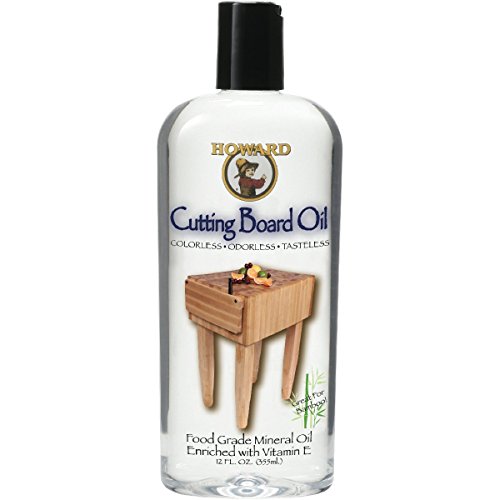
Howard’s Food Grade Mineral Oil provides a pure, tasteless, odorless oil suitable for cutting boards, butcher blocks, and wooden utensils. It penetrates wood pores deeply to prevent drying and cracking, helping maintain natural color and grain. As a versatile option, it can be used on cutting boards, countertops, bowls, and utensils, making it a staple for frequent board maintenance. This product emphasizes food-grade safety, making it a practical choice for daily kitchen use in American homes and professional settings alike.
Rowdy Rooster Cutting Board Gel With Mineral Oil & Beeswax

Rowdy Rooster Woodworks offers a gel that combines food-grade mineral oil with beeswax to create a robust seal. The gel formula facilitates deep penetration and long-lasting protection, providing a dual-action approach as both a cutting board conditioner and a surface sealant. Its citrus-scented finish adds a pleasant aroma while keeping surfaces moisturized and less prone to drying. Ideal for those who want a convenient, all-in-one treatment for frequent use on cutting boards and wood surfaces.
Wood Butter Cutting Board Wax

This 8-ounce wax-based conditioner blends food-grade mineral oil with beeswax to deliver a durable protective layer. The product aims to hydrate and shield wooden surfaces, reducing the risk of drying and cracking. Packaged by a small home business, it emphasizes US-based production while utilizing domestic and international components. This option suits users who prefer a thicker protective film that reduces moisture loss and adds a subtle sheen to cutting boards and utensils.
Caron & Doucet Coconut-Based Cutting Board Oil

CARON & DOUCET offers a 100% coconut-based cutting board oil designed to hydrate and condition wood without mineral oils. This plant-based formula is refined to minimize rancidity and odor, ensuring long-lasting performance on cutting boards, butcher blocks, and bamboo surfaces. The product emphasizes food-contact safety and is crafted in Canada, appealing to consumers seeking a natural, vegan option for sealing and nourishing wood kitchen tools.
John Boos Block All-Natural Board Cream
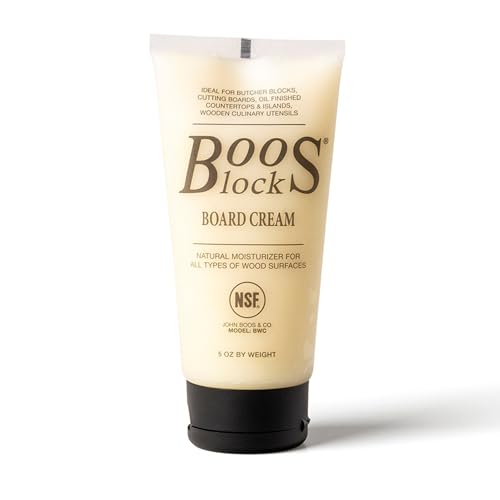
John Boos Block Board Cream blends food-grade mineral oil and unbleached beeswax to replenish moisture and seal wooden surfaces. This cream is designed for monthly use and more frequent application in dry climates, helping to keep cutting boards, butcher blocks, and charcuterie boards supple and protected. The formula supports safe, food-contact surfaces, aligning with both home kitchens and professional environments that require durable moisture retention and a protective finish.
Buying Guide
- Oil vs. Wax: Liquid mineral oils provide deep penetration and quick drying, while wax-based products form a protective layer that resists moisture and wear. Gel formulations combine both properties for convenient applications.
- Plant-based vs. Mineral Oil: Plant-based oils (such as coconut-based or tung oil blends) appeal to those avoiding petroleum-derived products. Mineral oil remains a classic, affordable option with long-standing safety records for food contact surfaces.
- Food-Grade Safety: Ensure the product specifies food-grade status (essential for boards used with food). Some blends include beeswax to enhance sealing without aroma or taste transfer.
- Application Frequency: Dry climates or heavy use may require frequent applications (monthly or biweekly), while some products claim longer intervals due to durable wax components or concentrated formulas.
- Scent and Residue: Consider odor-free or citrus-scented options. Residue-free finishes are preferable for surfaces that contact foods directly.
- Material Compatibility: Check that the finish is suitable for wood cutting boards, butcher blocks, bamboo, and wooden utensils to ensure comprehensive protection across kitchen tools.
- Made in/Origin and Brand Reputation: Brands with a long history in wood finishing (e.g., John Boos or HOWARD) often provide reliable, tested formulas, while newer plant-based options may appeal to eco-conscious buyers.
- Renewal Time and Maintenance: Some products require annual or semi-annual applications, others recommend more frequent conditioning. Plan maintenance around kitchen use and climate.
The selections above present a range of approaches to sealing and conditioning cutting boards. Whether you prioritize deep penetration, a wax seal, plant-based ingredients, or a trusted brand, these options offer dependable means to maintain wood surfaces in food preparation areas while preserving natural grain and durability.