Best Waterproof Coatings for Concrete Basement Walls
Choosing the right waterproof coating for basement walls helps prevent moisture intrusion, mold growth, and structural damage. This guide highlights five top-rated products designed for concrete basements, focusing on flexible sealants, penetrating membranes, and durable paints that perform under indoor conditions. Each option is evaluated by adhesion, elasticity, temperature tolerance, and ease of application to help homeowners select the best fit for their space.
| Product | Brand | Key Benefit |
|---|---|---|
| Liquid Rubber Basement and Foundation Sealant | Liquid Rubber | Flexible, permanent waterproof membrane for leak repair |
| TUFINEIN Rubber Liquid Waterproof Sealant | TUFINEIN | Elastic, weather-resistant coating for multiple surfaces |
| INSL-X TuffCrete Waterborne Concrete Stain | INSL-X | One-coat or two-coat staining with durable finish |
| ShangTianFeng Black Concrete Sealant | ShangTianFeng | Indoor/outdoor waterproof coating for foundations and basements |
| Rust-Oleum Epoxy Shield Gray Base | Rust-Oleum | Concrete floor coating with durable, moisture-resistant finish |
Liquid Rubber Basement Sealant

Liquid Rubber’s basement and foundation sealant creates a permanent waterproof membrane with high elongation, supporting basement waterproofing and foundation leak repair. The product is designed for flexible performance, remaining effective under temperature changes and moisture exposure. It acts as a complete basement waterproofing system and adheres well to concrete, masonry, wood, metal, and foundation surfaces. This makes it suitable for DIY projects where a durable, flexible seal is required to prevent active leaks and moisture penetration.
TUFINEIN Rubber Liquid Sealant

This 53oz/1.5kg neutral gray sealant forms a flexible coating that smooths over small gaps and cracks. It provides lasting waterproof protection with a quick initial cure, forming a rubbery film that remains elastic in extreme temperatures. The coating adheres to multiple surfaces and is well-suited for roofs, basements, gutters, and walls. It is not recommended for walking surfaces once cured, but it offers robust protection for vertical surfaces and leaks in basements and similar spaces.
INSL-X TuffCrete Concrete Stain

INSL-X CST292209A-01 TuffCrete is a waterborne acrylic concrete stain designed for both interior and exterior masonry. It can be applied in one coat for a stain or two coats for an opaque finish. The product dries quickly and provides a durable finish that resists cleaning detergents and oils. While primarily a color coating, its moisture resistance helps protect basement walls when used as a seal over clean, sound concrete.
ShangTianFeng Black Sealant

This black concrete sealant provides an indoor/outdoor waterproof coating suitable for basements, bathrooms, sinks, windows, and foundations. It emphasizes ease of application and broad coverage per bottle. The formula aims to seal cracks and holes, forming a protective layer that resists moisture ingress across a variety of substrates, including concrete and masonry. It’s designed to help block dampness from reaching interior surfaces and to reduce ongoing moisture issues in basements.
Rust-Oleum Epoxy Shield Gray Base
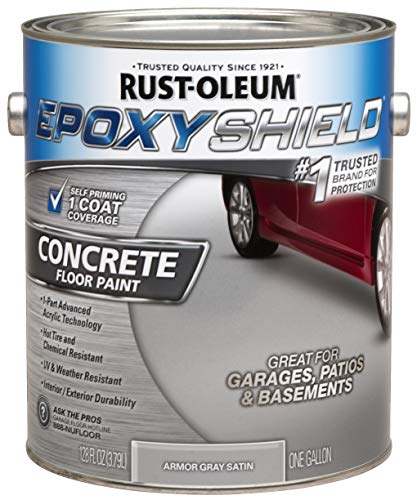
Rust-Oleum Epoxy Shield offers a two-part moisture-resistant epoxy floor coating designed for concrete surfaces. While marketed as a floor coating, it provides a robust moisture barrier on basement floors and can help prevent water-related damage when used on walls adjacent to wet areas. It cures to a hard, durable finish and resists abrasion, making it suitable for basements with high foot traffic or water exposure in certain zones.
Buying Guide
- Surface preparation: All products perform best on clean, sound concrete. Remove loose material, oils, and efflorescence. For penetrating sealants, ensure moisture is manageable before application.
- Elasticity and crack-bridging: Flexible sealants like Liquid Rubber and TUFINEIN are ideal for ongoing substrate movement and hairline cracks common in basements.
- Film vs. membrane: Consider whether you want a penetrating membrane (base layer) or a film/surface coating (visible color or finish). Membranes often provide stronger leak resistance on active leaks.
- Temperature and humidity tolerance: Basement environments vary; select products rated for indoor temps and humidity ranges typical in basements to avoid premature failure.
- Application method and cure time: Some products require multiple coats or specific intervals. Plan for curing times and ventilation, especially in enclosed spaces.
- Compatibility: Check compatibility with existing paints or coatings if you plan to topcoat later. Some products adhere better to bare concrete than to old coatings.
- Safety and odor: Waterborne options tend to have lower VOCs and milder odors, beneficial for occupied spaces during application.
- Long-term maintenance: For practical basement use, consider how easily the coating can be cleaned and how it tolerates routine damp cleaning without degradation.