Best Underlayments for Engineered Wood Flooring: Quiet, Durable, and Moisture-Resistant Options
Choosing the right underlayment can protect engineered wood floors from moisture, reduce sound transmission, and improve comfort underfoot. This guide reviews top underlay products designed for engineered wood, focusing on moisture barriers, sound reduction, and installation ease. Below is a snapshot of five strong options to consider for American homes with floating, glue-down, or nail-down installations.
| Product | Type | Key Benefit | Coverage |
|---|---|---|---|
| FLOORLOT BlueStep Underlayment with Moisture Barrier | Moisture barrier with sound absorption | Moisture protection and quieter floors | 200 sq ft roll |
| QuietWalk LV 50 | Premium underlayment for multiple floors | High-density fiber for noise reduction and stability | 50 sq ft roll |
| ROBERTS 70-115 Moisture Barricade | Vapor barrier film | Strong moisture barrier for various floor types | 120 sq ft roll |
| ROBERTS 70-198 Silicone Moisture Barrier | Moisture barrier underlayment | Vapor reduction with radiant heat compatibility | 200 sq ft coverage |
| STEICO Wood Fiber Underlayment | Wood fiber 6mm underlayment | Natural soundproofing with safety and VOC-free | 90 sq ft |
FLOORLOT BlueStep Underlayment with Moisture Barrier

FLOORLOT BlueStep is designed for laminate and wood floors with built-in moisture protection. The 200 sq ft roll provides a practical size for medium to large rooms, offering a moisture-blocking film that minimizes the need for extra barriers. It also features standard sound absorption to quiet footsteps and reduce hollow sounds often associated with floating floors. This underlayment is suitable for floating installations and can improve comfort in living areas with higher foot traffic.
QuietWalk LV 50 – Premium Underlayment

QuietWalk LV 50 is a versatile underlayment compatible with Luxury Vinyl, Laminate, Engineered Wood Flooring and more. Its multi-material composition supports floating, glue-down, and nail-down installations and helps reduce impact noise in smaller rooms or apartments where quiet floors matter. The dense fiber structure provides compression resistance, maintaining long-term floor integrity and minimizing sound transfer in busy households.
ROBERTS 70-115 Moisture Barricade Underlayment Film

This 6-mil polyethylene underlayment serves as a durable vapor barrier for vinyl, laminate, SPC, and engineered wood flooring installations. It unfolds to a 10 ft by 12 ft area, delivering substantial coverage for standard rooms. The thicker construction helps block moisture transmission from subfloors, supporting floor longevity and reducing the risk of moisture-related issues in damp basements or ground-level spaces.
ROBERTS 70-198 Silicone Moisture Barrier Underlayment

This heavy-duty moisture barrier is intended for solid and engineered wood floors, as well as laminate and LVP. Its 6-mil thickness provides reliable vapor control, and the product is suitable for radiant floor heating systems, which helps in modern heating setups. The barrier helps prevent vapor flow without trapping moisture, supporting a stable subfloor environment over time.
STEICO Wood Fiber Underlayment

STEICO Wood Fiber Underlayment employs natural wood fibers for superior acoustic performance and comfort. The 6 mm thickness, 90 sq ft package, and EU certification speak to its eco-friendly design and solid soundproofing properties. It’s a good option when indoor air quality and eco-conscious materials are prioritized, particularly for bedrooms or living rooms where footstep noise is a concern. It’s also free from VOCs and emissions, aligning with stringent safety standards.
DURA-Son™ Premium Underlayment

DURA-Son offers premium sound reduction and durable performance for laminate and engineered hardwood floors. With 3.5 mm thickness, it provides robust impact sound reduction and structural support for residential and light commercial projects. It’s suitable for a range of installations, including floating and glue-down methods, and is designed to sustain acoustical value over time while maintaining floor integrity.
Moisture/Vapor Barrier Underlayment (MP Global)

MP Global’s underlayment roll features a .006 mil film with self-sealing adhesive tape for quick, seamless installation. This moisture barrier is designed for laminate and engineered flooring, providing ease of use and reliable vapor control. It’s a practical option for DIY projects and professionals alike, especially when seamless seams and quick installation are priorities.
PROTECH 3-in-1 Advanced Thermal/Acoustics Underlayment
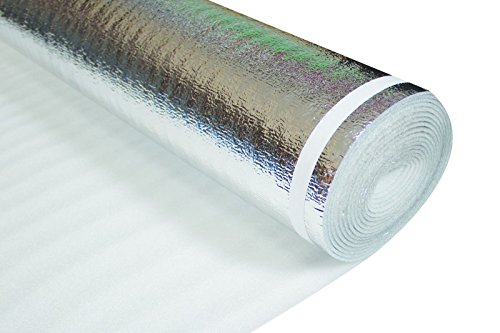
PROTECH USA’s 3-in-1 underlayment combines acoustic quieting, thermal insulation, and compatible compatibility for a broad range of floors, including laminate, vinyl, WPC, SPC, bamboo, engineered, and solid hardwood. It features a self-sealing lip and tape system for fast installation and helps feet stay warmer in cold months while providing a comfortable walking surface year-round. This versatile option suits mixed-floor homes and renovation projects.
Buying Guide: Key Purchase Considerations
- Moisture control: For spaces with concrete slabs or prone to moisture, prioritize a true moisture barrier or vapor barrier, such as products with integrated films or robust barrier layers. This helps prevent mold and subfloor degradation over time.
- Sound performance: If you live in multi-family housing or open-floor plans, select underlayments with high sound absorption or compression resistance to reduce footfall noise and improve overall room acoustics.
- Compatibility: Confirm compatibility with your flooring type (engineered wood, laminate, LVP, etc.) and installation method (floating, nail-down, glue-down). Some products are better suited for radiant heat systems.
- Thickness and comfort: Thicker underlayments generally improve comfort and temperature stability but may affect room height slightly. Balance comfort with the floor’s required specification.
- Eco and safety considerations: If indoor air quality matters, consider underlayments made from natural fibers or low-VOC materials. Look for certifications from applicable environmental standards.
- Ease of installation: Self-sealing edges and tapes simplify seams and installation time. DIY projects benefit from clear instructions and accessible materials.
- Durability and long-term stability: For high-traffic rooms, choose compression-resistant or durable underlayments that resist crushing and maintain acoustical performance over time.
- Radiant heat compatibility: If you use radiant floor heating, verify that the underlayment is approved for use with radiant systems to avoid moisture buildup or performance degradation.
Installation Considerations Across Perspectives
- Homeowner perspective: Prioritize moisture protection and quiet floors in bedrooms and living rooms. A breathable, low-VOC option can support a healthier indoor environment.
- Contractor perspective: Look for products that install quickly with reliable seams, and verify compatibility with the chosen flooring and subfloor. Favor options with documented testing data for moisture and acoustics.
- Builder perspective: For larger projects, cost-per-square-foot and long-term durability matter. Bulk packaging and consistent quality help maintain schedule and performance standards.
- Environmentally conscious perspective: Favor natural or low-emission underlayments and verify certifications (PEFC, low VOCs) to align with green building goals.
Selecting the right underlayment for engineered wood floors involves balancing moisture protection, sound performance, and ease of installation. The products highlighted above cover a range of priorities—from moisture barriers and radiant heat compatibility to natural soundproofing and eco-friendly materials—helping homeowners make informed choices for durable, comfortable flooring.