Best Stain for Concrete Patio: Top Picks for Lasting Color and Cable-Ready Curb Appeal
Choosing the right stain for a concrete patio can transform dull outdoor concrete into a vibrant, durable surface. Whether you want a translucent, marbled finish or a bold, opaque color, the following products are among the most relevant for American patios. This guide highlights trusted stain options, their key features, and practical considerations so you can weigh color, longevity, and application ease.
Summary of chosen products:
- Concrete Stain Concentrate Just Add Water, User & Eco-Friendly Semi-Transparent Professional Grade Cement Stain — Concrete Resurrection
- BEEST Concrete Stain — Burnt Ember — Acid Stain for Floors, Pavers, Patios
- Walttools Water-Based Concrete Stain Tru Tint (Bluestone) — Professional Grade
- INSL-X TuffCrete Waterborne Acrylic Concrete Stain Paint — Desert Sand
- CHOMP! Concrete Oil Stain Remover: Pull It Out — Oil Stain Remover for Concrete (for preparing stained surfaces)
Concrete Stain Concentrate Just Add Water — Mocha
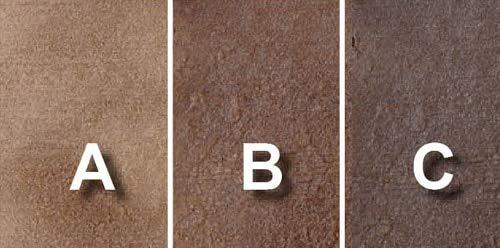
Brand: Concrete Resurrection. This water-borne concentrate offers a simple route to semi-transparent, professional-grade color for concrete floors, pool decks, patios, and driveways. The formula is designed to be diluted and applied in layers to achieve various depths and marbling effects. It emphasizes eco-friendly practices by using water-based ingredients and promoting flexible color layering for customized looks. For patios, it can deliver subtle warmth or richer tones when multiple coats are applied.
The product’s standout feature is its layering capability, which allows users to build depth and variation by combining different colors. It is particularly suitable for those seeking a natural, marbled appearance rather than solid, opaque color. Users should consider the concrete’s porosity and prior sealers when planning application or color layering. Clean-up generally involves soap and water, consistent with many water-based stains.
BEEST Concrete Stain — Burnt Ember

Brand: BEEST. This acid stain is designed for cured concrete and creates a unique, marbled finish through a chemical reaction with the lime in concrete. It delivers a one-of-a-kind appearance with variations in color and pattern, making each patio surface distinct. Available in multiple color options, Burnt Ember offers a warm, earthy palette that can enhance outdoor spaces with character and depth.
The acid stain process provides longevity and resistance to fading under typical outdoor conditions. Because the color is chemically created within the concrete, outcomes differ from surface-applied stains, which can yield more uniform results. Application requires careful surface preparation and ventilation, and users should follow safety guidelines due to the chemical reaction involved in producing the marbled effect.
Walttools Tru Tint Bluestone

Brand: Walttools. This water-based stain is fast-drying, semi-translucent, and easy to layer for a mottled look. It’s UV-stable for both indoor and outdoor use and can be sprayed, rolled, brushed, or sponged. The product is designed to be easily diluted for lighter coatings and can be used alone or with other colorants, offering flexibility in creating natural or bold patio aesthetics.
Tru Tint is valued for its versatility and contractor-friendly features, including rapid dry times and compatibility with various application techniques. For patios, it’s well suited for achieving a variegated appearance that mimics natural stone or for creating subtle color shifts that highlight texture and joints. While it’s user-friendly, achieving uniformity across a large area may require consistent technique and practice.
INSL-X TuffCrete Waterborne Acrylic Concrete Stain Paint

Brand: INSL-X. This product is a waterborne acrylic stain paint designed for interior or exterior masonry surfaces, including concrete. It offers easy application in one coat, or two coats for a more opaque finish. The stain is non-fading, fast-drying, and durable, resisting detergents, oils, grease, and scrubbing. It’s a good option for patios where a uniform color or a more opaque look is desired while maintaining washability and resistance to weathering.
Given its acrylic base, TuffCrete provides a solid, durable finish, particularly suitable for areas exposed to outdoor elements. The product can be used to achieve consistent coverage across larger patio spaces and can work well as a base color or as a top coat in combination with other treatments. As with all stains, surface preparation and color testing on a small area are recommended before full-scale application.
CHOMP! Concrete Oil Stain Remover: Pull It Out

Brand: CHOMP!. This product is an oil stain remover designed to lift and remove petroleum-based stains from concrete and other porous surfaces. While primarily a cleaner, it is relevant for patio projects because proper stain application often requires surface decontamination first. It claims to be powerful, simple, and safe, with a formula that dries and is brushed away like chalk dust after drawing out the contamination. It does not use bleach or acid, making it suitable for pre-stain preparation.
For patios with oil and grease spots, using an effective cleaner beforehand can improve stain results by ensuring the surface is clean and receptive to color. It’s particularly useful for driveways or areas where vehicles or equipment frequently spill fluids. Users should follow instructions for application to avoid surface darkening or residues that could affect color absorption.
Buying Guide: Key Considerations And Comparisons
The best stain for a concrete patio depends on your goals, climate, and level of maintenance you’re willing to commit to. Here are essential factors to consider when choosing between semi-transparent stains, acid stains, and opaque concrete paints or colorants.
- Transparency and look: Semi-transparent and translucent stains let the concrete texture show through, creating a natural, variegated appearance. Acid stains produce marbled, one-of-a-kind patterns because colors form through chemical reactions with the lime in concrete. Opaque paints provide solid color and often better coverage on worn surfaces.
- Durability and weather resistance: UV stability, water resistance, and resistance to cleaning detergents impact longevity. Outdoor patios require products formulated for sun and rain exposure. Acid stains typically last a long time but may require sealers to lock in color, while waterborne stains may require reapplication after several years.
- Surface preparation: Stain performance depends on clean, crack-free surfaces. Oil and grease should be removed first with a cleaner such as CHOMP! to improve absorption and color consistency. Sealing after staining can extend longevity and enhance color saturation.
- Application method: Some stains are easier for DIY users (brush, roller, spray), while others may require professional application for even color. Layering options allow for custom depth and texture, especially with semi-transparent products.
- Compatibility: Consider whether the product is designed for concrete only or suitable for pavers and cement. Some products work well on vertical surfaces too, allowing coordinated color across steps and planters.
- Maintenance: Plan for long-term care, including cleaning, re-sealing, and re-staining. Some products require resealing to maintain color vibrancy and protect against wear.
In practice, many patios benefit from a two-step approach: first, decontaminate and prepare the surface with a cleaner to ensure optimal color uptake; second, apply a semi-transparent stain or acid stain depending on the desired effect. For durability and ease of maintenance, consider adding a penetrating sealer after staining to lock in color and provide spill resistance. Always test a small, inconspicuous area before full-scale application to ensure the result matches your vision.