Best Stain Block Paint for Water Stains: Top Solutions for Damp Walls
Water stains on walls call for reliable stain-blocking primers that seal in discoloration and provide a solid base for finish coats. This guide examines five top-rated products designed to block stains from water intrusion, smoke, and tannins. Each option offers distinct advantages, from oil-based power primers to modern water-based seals. The focus is on performance, ease of use, coverage, and suitability for common indoor surfaces in American homes. Read on to compare features, benefits, and practical tips for selecting the right stain blocker for your project.
| Product | Brand | Core Benefit | Finish Type |
|---|---|---|---|
| qt Zinsser 03504 White Zinsser, Cover-Stain Oil-Based Stain Blocker, 450 VOC | Zinsser | Oil-based stain blocking with added shine | White, oil-based primer/sealer |
| JENOLITE Stain Blocker Aerosol | JENOLITE | Immediate stain blocking on multiple substrates | White aerosol |
| 13 oz Zinsser Bulls Eye Oil-Based High Hide Stain Blocking Primer | Zinsser | High-hide oil-based stain blocking | White |
| INSL-X Aqua Lock Plus 100% Acrylic Water-Based Primer Sealer | INSL-X | Water-based stain blocking with strong adhesion | White |
| Rust-Oleum Zinsser 3954 Odorless Oil-Base Stain Blocker Primer | Zinsser | Low-VOC odorless oil-based primer | White |
style=”display:none;”>Product Highlights
Choosing a stain blocker depends on the surface, indoor environment, and the desired topcoat. The following sections summarize each product’s key points, drawing on the listed features to help guide a practical selection for water-stain scenarios.
Zinsser Cover-Stain Oil-Based Stain Blocker
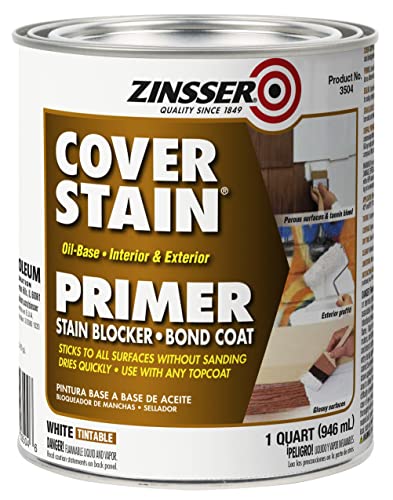
Zinsser’s Cover-Stain is a classic oil-based blocker designed to seal tough stains on interior surfaces. It targets water-based and oil-based discolorations, including smoke and tannin stains, creating a solid base for topcoats. The product delivers a durable seal and a slightly glossy finish that helps prevent bleed-through in subsequent coatings. Ideal for repairs where stain migration is persistent, especially on wood, drywall, and previously stained surfaces. The 450 VOC rating reflects a higher-solids formulation intended for robust performance, typical of professional projects.
JENOLITE Stain Blocker Aerosol

This spray-on stain blocker from JENOLITE is designed for rapid, uniform coverage of multiple stain types, including water marks, nicotine, soot, grease, and crayon marks. It works on a wide range of substrates—painted or unpainted surfaces, wood, plaster, brick, ceramic, and concrete. The full cure in about 60 minutes offers quick processing for time-sensitive projects. Aerosol delivery gives convenient touchups and repairs, especially on vertical or hard-to-reach areas where rolling or brushing is impractical.
Zinsser Bulls Eye Oil-Based High Hide Primer

Known for its high-hide capability, Bulls Eye is a versatile oil-based primer that blocks water, smoke, and tannin stains while delivering a bright white finish. The no-odor claim suggests lower lingering odor compared to older oil-based formulas, which may appeal to sensitive environments. It is suitable for interior use on wood, drywall, plaster, and masonry, offering a durable base that blocks stain migration and prepares surfaces for latex or oil-based topcoats. A practical pick when strong stain resistance and a solid concealment are required.
INSL-X Aqua Lock Plus 100% Acrylic Primer Sealer

Aqua Lock Plus blends water-based formula with excellent stain blocking and adhesion. This 100% acrylic primer sealer excels on a variety of interior and exterior surfaces, offering robust sealing and wide compatibility with latex and oil-based finishes. It provides a versatile base for blocking water-driven stains and is known for good coverage and fast drying. For renovations where odor and VOC considerations matter, a water-based option can be preferable without sacrificing stain control or finish quality.
Rust-Oleum Zinsser Odorless Oil-Base Stain Blocker Primer

This odorless, low-VOC oil-based primer is designed for interior use where strong stain blocking is needed while minimizing fragrance. It seals in water, smoke, and tannin stains and dries to a hard, hard-wearing finish suitable for subsequent topcoats. The oil-base chemistry typically offers excellent stain resistance and durability on challenging substrates like drywall, plaster, or wood in both residential and commercial settings. It is well-suited for projects where odor control is a priority during coating.
Buying Guide: Key Purchase Considerations
- Surface type: Wood, drywall, plaster, masonry, or concrete each respond differently to oil- or water-based primers. Oil-based blockers tend to seal tough stains more aggressively, while acrylic-based options can offer easier cleanup and lower VOCs.
- Stain type: Water marks, smoke, tannins, rust, and nicotine vary in how aggressively they bleed through. Choose a product labeled for multiple stains or specifically for water stains to reduce bleed-through risk.
- Finish desired: Some primers leave a slight sheen or white film that affects topcoat color and finish. Consider a product that matches your preferred final appearance or plan for a blocking primer with low odor and minimal odor transfer.
- Drying time and recoat window: Quicker-drying formulas allow faster project progression. Oil-based primers often require longer cure times between coats, while water-based options dry faster and are easier to clean.
- VOC and odor: For occupied spaces or sensitive environments, low-VOC or odorless formulas can improve indoor air quality during renovation.
- Adhesion and durability: Primers with strong adhesion reduce peel or bleed when topcoats are applied. Consider a sealer that provides a robust base for latex or oil-based finishes.
- Topcoat compatibility: Ensure the primer is compatible with the intended finish coat (latex, enamel, shellac, etc.). Some primers are designed as universal bases that work well under both water- and oil-based finishes.
- Application method: Brushing, rolling, or spraying can influence ease of use. Aerosol products offer rapid touch-ups, while traditional primers may be preferred for large areas.
- Surface preparation: For optimal results, clean the surface, repair any damage, and ensure a dry substrate before applying stain-blocking products.