Best Spray for Clothes Moths: Cedar, Plant-Based and Safe Options for Wardrobes
Protect wardrobes, drawers, and storage spaces from clothes moths with a curated selection of sprays and preventive solutions. This guide highlights five products that combine cedar scents, natural ingredients, and non-toxic formulas to deter moths, eggs, and larvae. Each option offers fast action on contact or long-lasting protection, helping you safeguard fabrics like wool, cashmere, and silk without harsh chemicals. Below is a quick overview of the chosen products to help you compare at a glance.
| Product | Brand | Key Benefit | Format |
|---|---|---|---|
| Reefer Galler SLA Cedar Scented Moth Repellent Spray | Reefer-Galler | Kills moths and other pests on contact; cedar scent | 15 oz Spray (Pack of 3) |
| Dr. Killigan’s CedarWard Spray | Dr. Killigan’s | Natural cedarwood oil formula for closets and drawers | 4 fl oz |
| Dr. Killigan’s Six Feet Under Plant Powered Insect Killer Spray | Dr. Killigan’s | Plant-powered, dual-action against clothes moths and other pests | 24 oz |
| Non-Toxic Odor Eliminator Cedar Air Freshener Spray | The Crown Choice | Cedar scent; acts as odor eliminator and fabric freshener | 4 oz |
| MaxGuard Clothes Moth Traps | Maxguard | Non-toxic pheromone traps to stop moth breeding | 6+2 traps |
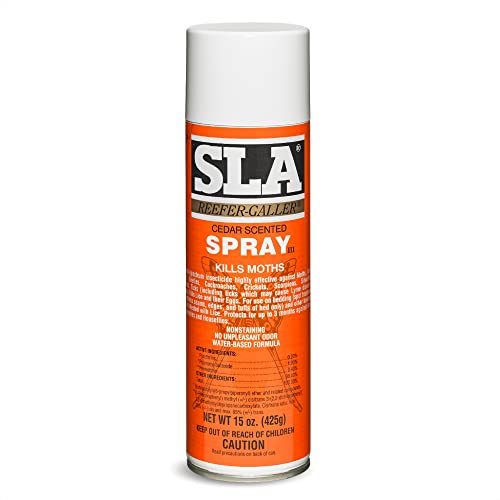
Reefer Galler SLA Cedar Scented Moth Repellent Spray

The Reefer Galler SLA Spray targets a broad range of fabric pests on contact, including moths, bed bugs, and other common household invaders. Its cedar scent provides a more pleasant alternative to harsh chemical odors, while offering protection against moths and other pests for up to several weeks. This spray is designed for quick-action use in closets, drawers, and storage areas to prevent damage to delicate fabrics.
Features in brief: kills moths and pests on contact; protects against pests for up to 3 months; cedar-scented for minimal residual odor. When applying, focus on areas where moths are most active or where fabrics are stored, such as shelves, garment bags, and closet corners. As with all chemical-free alternatives, follow label directions to ensure safe use around children and pets.
Dr. Killigan’s CedarWard Spray
Dr. Killigan’s CedarWard Spray uses pure cedarwood oil to rejuvenate cedar products and provide a natural moth-repelling layer for closets, drawers, and storage spaces. By avoiding harsh chemicals and artificial dyes, it offers a safer alternative for households prioritizing natural ingredients. The cedar scent helps mask odors while stabilizing the environment around fabrics, reducing moth appeal over time.
Key points: natural cedarwood formula; alternative to chemical mothballs; protects cherished garments and furniture. Usage guidance includes applying to cedar storage, scenting storage areas, and refreshing cedar aids to maintain repellent properties. For best results, combine with proper storage practices and periodic reapplication as recommended on the label.
Dr. Killigan’s Six Feet Under Plant Powered Insect Killer Spray

This plant-powered spray combines essential oils and natural ingredients designed to kill pests on contact and residually for up to 30 days. It targets clothes moths and pantry pests among others, making it a versatile solution for multiple problem areas. Its aroma, influenced by cinnamon and clove, provides a pleasant background scent while maintaining effectiveness against fabric pests and insects in living spaces.
Considerations include safe use around family and pets when used as directed, ease of application, and coverage in larger living areas. The dual-action design helps address active infestations and ongoing prevention, making it suitable for ongoing moth control in homes with stored fabrics and textiles.
Non-Toxic Odor Eliminator Cedar Air Freshener Spray
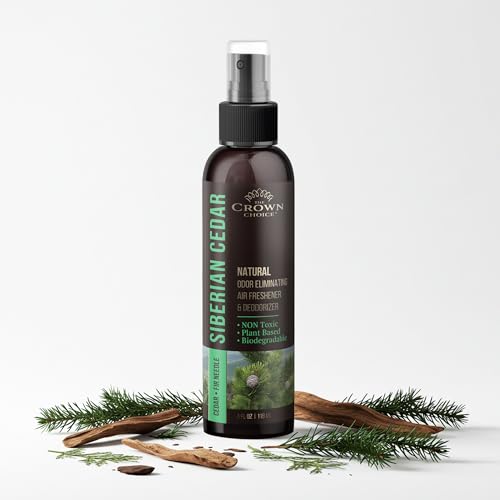
Designed as both odor eliminator and fabric refresher, this cedar oil spray serves as a practical alternative to cedar blocks and mothballs. It can be used around closets, couches, and linens to impart a mild cedar scent while helping deter pests. The formula supports up to 200 sprays per bottle, providing long-lasting use for routine freshness and moth prevention in storage areas.
Purchase considerations include the compatibility with fabrics, avoiding staining, and ensuring the cedar scent remains subtle yet effective for deterrence. A non-toxic profile makes it suitable for households with kids and pets when used as directed and in well-ventilated spaces.
MaxGuard Clothes Moth Traps

MaxGuard traps provide a non-toxic method to monitor and reduce moth populations by attracting and capturing male moths through pheromone lures. By interrupting the breeding cycle, these traps help prevent future infestations, particularly in closets with sensitive fabrics like wool and cashmere. They are designed for easy placement in wardrobes and can be used alongside sprays for a comprehensive approach.
Key considerations include the traps’ suitability for non-food storage areas, the value of pairing pheromone traps with residual sprays, and replacing traps according to the product’s recommended cycle to maintain effectiveness. They complement spray strategies by providing ongoing monitoring and interruption of moth reproduction.
Buying Guide
- Active vs. preventive methods: Use sprays for immediate control and traps or cedar blocks for ongoing prevention and monitoring.
- Materials and ingredients: Choose cedarwood oil or plant-powered formulas for natural, low-odor options; avoid harsh chemistries if you have sensitive fabrics or pets.
- Target range: Some products target multiple pests; ensure the product explicitly references clothes moths for best alignment with storage protection goals.
- Application area: Focus on closets, drawers, trunks, and garment bags. Consider product coverage and recommended usage frequency to maintain protection.
- Scent and odor: Cedar-scented products help mask odors and deter pests without strong chemical smells, beneficial for long-term use in living spaces.
- Safety and compatibility: Read label directions for homes with kids and pets. Non-toxic options reduce risk when used correctly.
- Storage strategy: Combine sprays with proper storage practices—airtight containers, sealed bags, and clean, dry storage areas—to maximize effectiveness.
- Cost and maintenance: Compare bottle sizes, spray counts, and replacement intervals to estimate total cost for ongoing moth control.
- Certifications and reviews: Look for third-party test results or user reviews that corroborate efficacy and safety for textiles and home environments.
- Multi-solution approach: A combination of sprays, traps, and odor control typically yields better moth management than a single method.