Best Soil for Rubber Plant: Top Indoo R Plant Mixes for Healthy Foliage
Rubber plants (Ficus elastica) thrive in well-draining, breathable soils that retain moisture without staying soggy. The following potting mixes are well-suited for rubber plants kept indoors, offering a blend of perlite, peat moss, and organic matter to support robust root growth and lush, glossy leaves. Each product is designed to minimize gnats and overwatering issues while delivering steady nutrition for weeks to months. Explore options crafted for houseplants and ensure your rubber plant has a steady supply of breathable, moisture-retentive soil.
| Product | Brand | Type | Key Benefit |
|---|---|---|---|
| Miracle-Gro Houseplant Potting Mix | Miracle-Gro | Indoor potting mix | Less prone to gnats; balanced for common houseplants |
| Back to the Roots 100% Organic Indoor Potting Mix | Back to the Roots | Organic indoor mix | Moisture retention with organic root-friendly components |
| Miracle-Gro Indoor Potting Mix (6 qt, 2-pack) | Miracle-Gro | Indoor potting mix | Two bags, versatile for a variety of houseplants |
| TOYPOPOR Potting Soil for All Indoor Houseplants | TOYPOPOR | All-in-one potting soil | Loose, breathable texture with multiple components |
| Burpee Premium Organic Potting Mix | Burpee | Organic potting mix | All-natural, moisture-retaining with coconut coir |
Note: Each product supports a healthy rubber plant by balancing drainage, moisture retention, and nutrients. The following sections detail five carefully chosen options and how they align with rubber plant care guidelines.
Miracle-Gro Houseplant Potting Mix

Miracle-Gro Houseplant Potting Mix is designed for indoor gardening and supports a variety of common houseplants, including Pothos, Spider Plants, Monstera, Philodendron, and English Ivy. The mix blends key elements plants need to thrive indoors, emphasizing balanced drainage and moisture retention. For rubber plants, this soil offers a perimeter of porosity that helps prevent waterlogging while maintaining adequate moisture between waterings. The product is formulated to minimize gnats, thanks to a blend of perlite, sphagnum, and peat moss that maintains aeration and reduces the likelihood of root rot. Use this mix to repot established rubber plants or to pot new cuttings in a well-drained medium.
What to expect: steady moisture without sogginess, improved aeration around thick rubber plant roots, and compatibility with regular indoor fertilization schedules. For best results, water thoroughly after potting and allow the top inch to dry slightly before the next watering. This approach aligns with rubber plants’ preference for evenly moist soil that drains well. If you notice yellowing leaves or slow growth, consider supplementing with a balanced indoor plant fertilizer every 6 weeks during the growing season.
Ideal for: rubber plants that need a forgiving, ready-to-use indoor mix with strong drainage. The formulation helps minimize common indoor soil problems and supports healthy root systems in a range of houseplants beyond rubber plants.
Back to the Roots 100% Organic Indoor Potting Mix

This 100% organic indoor potting mix emphasizes natural moisture retention with organic yucca extract to help keep soil consistently hydrated. It also includes ROOT-BOOSTING MYCORRHIZAE to enhance root development and nutrient uptake, supporting robust growth for rubber plants. The mix is peat-free, offering an environmentally friendlier option while still delivering reliable performance for indoor containers. For rubber plants, the organic composition can contribute to a healthier root zone, reducing disease risk and encouraging steady growth in a controlled indoor environment.
Consider the moisture dynamics: rubber plants prefer evenly moist soil that drains well. This mix aims to strike that balance by retaining sufficient moisture between waterings while avoiding prolonged soggy conditions. If your home tends to be dry, monitor soil moisture and adjust watering frequency accordingly. The organic components can improve soil structure over time, contributing to long-term plant resilience.
Maintenance tip: repot when the plant becomes root-bound or the soil loses its ability to drain quickly. This mix is suitable for rubber plants that thrive in well-aerated soil with a natural, organic profile.
Miracle-Gro Indoor Potting Mix (6 qt, 2-pack)
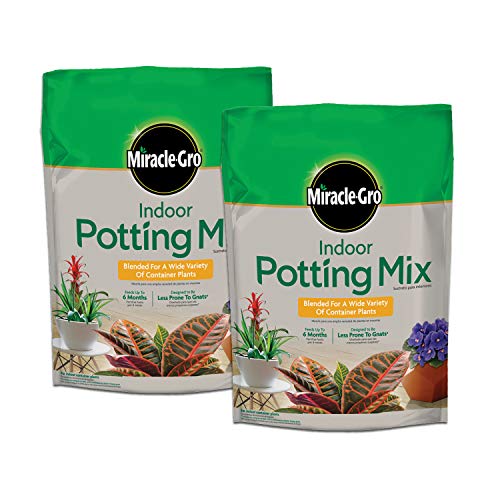
This bundle includes two 6-quart bags designed for a wide variety of indoor container plants, including climbing, foliage, flowering, and tropical plants. Each bag is suitable for filling several pots, making it a practical choice for rubber plants that need periodic repotting or multiple plants in the same home. The mix supports a structured root zone by balancing drainage with moisture retention, helping reduce both over- and under-watering risks. For rubber plants, this can translate to a steady growth pattern and maintained leaf health when used correctly.
Usage guidance: fill a container about one-third full with potting mix, place the rubber plant, then add more mix to level the soil. This approach helps protect the root ball during potting and ensures roots have access to oxygen. With up to six months of targeted feeding, this Miracle-Gro blend supports a longer duration between fertilizations for indoor plants, including rubber plants, when combined with appropriate watering practices.
Consider irrigation: rubber plants prefer water only when the top inch of soil dries. The mix is designed to support this behavior by providing consistent drainage, which helps prevent root rot and leaf drop caused by soggy soil.
TOYPOPOR Potting Soil for All Indoor Houseplants

TOYPOPOR offers an all-in-one indoor potting soil designed to support a wide range of houseplants, including rubber plants. The blend includes perlite, sphagnum peat moss, coco coir, and rice husk charcoal, delivering a well-draining yet moisture-retentive medium. The texture remains loose and breathable to promote healthy root growth, reducing compaction in pots and improving aeration around rubber plant roots. This mix is particularly suitable for new plantings and repots where establishing a strong root network matters for long-term vigor.
Key benefits for rubber plants: fast drainage to prevent root rot, moisture retention to bridge watering gaps, and a loose structure that encourages robust root exploration. The inclusion of coco coir and rice charcoal helps maintain soil structure during dry seasons, which is helpful in homes with heating systems that dry indoor air. This mix pairs well with a standard indoor watering routine and light fertilizer during the growing season.
Burpee Premium Organic Potting Mix

Burpee Premium Organic Potting Mix is an all-natural mix formulated with plant food and coconut coir to promote seed and root growth and support healthy flowering and foliage. It is OMRI Listed for organic use, making it a transparent option for eco-conscious growers. The mix is designed for containers and raised beds, delivering immediate plant support with a slow-release feed that nourishes roots over a period of up to three months. Coconut coir helps retain moisture while ensuring the soil remains well-aerated, which benefits rubber plants during periods of less frequent watering.
Rubber plant considerations: choose this mix if you prefer an organic, natural approach with a built-in feeding component. The coconut coir content aids moisture retention without sacrificing drainage, so rubber plants can avoid overly damp soils. This option suits gardeners who want a simple, ready-to-use mix that reduces the need for frequent soil amendments while maintaining a stable root environment.
Buying Guide: Key Purchase Considerations For Rubber Plant Soil
- Drainage and aeration: Rubber plants prefer soil that drains well but remains evenly moist. Look for mixes with perlite, perlite-like aggregates, or coco coir to promote air circulation at the root level.
- Moisture retention: Balance is crucial. A soil that holds some moisture between waterings helps prevent root stress, but avoid peat-heavy mixes that stay soggy in low-humidity environments.
- Organic vs. synthetic nutrients: Organic mixes (with compost or mycorrhizae) support long-term soil health, while synthetic blends may provide faster, shorter-term nutrition. Choose based on your care routine and plant goals.
- Gnat resistance: Indoor soils with high drainage and well-aerated components reduce fungus gnat problems. Avoid heavy, compact soils that retain excess moisture near the crown.
- Container size and root development: Rubber plants can become quite large; select a soil mix appropriate for repotting into progressively larger containers and that supports root expansion.
- Environmental impact and sourcing: Peat-free and OMRI-listed options offer environmental benefits and confidence in organic production standards.
In summary, selecting the right soil for a rubber plant involves balancing drainage, moisture retention, and nutritional supply. The five products highlighted here provide varied approaches—from pre-mixed indoor blends focused on gnats and aeration to organic, peat-free options and coconut coir-rich formulas. When repotting, consider gradual pot size increases, proper pot drainage, and a watering schedule that aligns with soil moisture readings. A well-chosen mix supports vibrant foliage, strong stems, and a resilient rubber plant in the home environment.