Best Soil for Ponytail Palm: Top 5 Potting Mixes for Healthy Growth
Choosing the right soil is essential for Ponytail Palms to establish strong roots, proper drainage, and long-term vitality. The following selections are tailored for palms, cacti, succulents, and ornamentals commonly grown in pots. Each option balances drainage, aeration, and nutrients to support healthy growth in indoor environments. Below you’ll find five well-regarded soil mixes, along with practical notes to help you decide which is best for your Ponytail Palm setup.
Selected products overview:
| Product | Brand | Key Benefit |
|---|---|---|
| Palm Tree Potting Soil (8 Quarts) | Soil Sunrise | 100% natural, ideal for potted palms, good drainage |
| GARDENERA Palm Tree Potting Mix | Gardenera | Balanced moisture and drainage, hand crafted |
| Miracle-Gro Cactus, Palm & Citrus Potting Mix | Miracle-Gro | Fast-draining with plant food for palms and citrus |
| LGM Cactus & Succulent Palm & Citrus Mix | LGM | Rich, nutrient-dense, versatile for multiple plants |
| Espoma Organic Cactus Potting Soil Mix | Espoma | Organic blend with mycorrhizae for aeration |
Best Soil For Ponytail Palm: Soils For Palms And Succulents

Soil Sunrise offers a 100% natural, additive-free mix tailored for potted palms, including Ponytail Palms. This versatile option supports drainage, aeration, and nutrient retention—key factors for preventing root rot while enabling healthy growth in compact pots.
Gardenera Palm Tree Potting Mix

Gardenera’s potting mix is designed for all palm varieties, providing a balanced moisture profile with a mix of peat, bark, perlite, and sand. It’s crafted to promote healthy root growth and robust palms, making it suitable for Ponytail Palms that prefer well-drained soil.
Miracle-Gro Cactus, Palm & Citrus Potting Mix
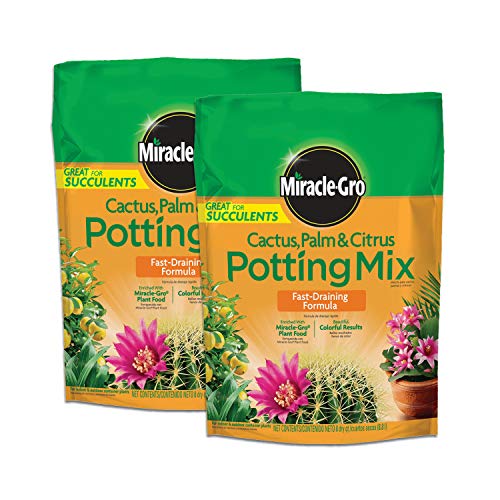
This Miracle-Gro blend offers fast drainage and is enriched with plant food, making it a solid option for indoor-outdoor container plant setups. It’s formulated to support cacti, palms, and citrus, so it also works well for Ponytail Palms that need a quick-draining environment with steady nutrition.
LGM Cactus & Succulent Palm & Citrus Mix

LGM’s mix is nutrient-dense and designed for plants needing good drainage. The blend includes composted forest products, perlite, peat moss, and additional organic matter that supports robust palm and citrus growth. It’s a versatile choice for multi-plant arrangements in containers.
Fat Plants San Diego Premium Cacti & Succulent Mix
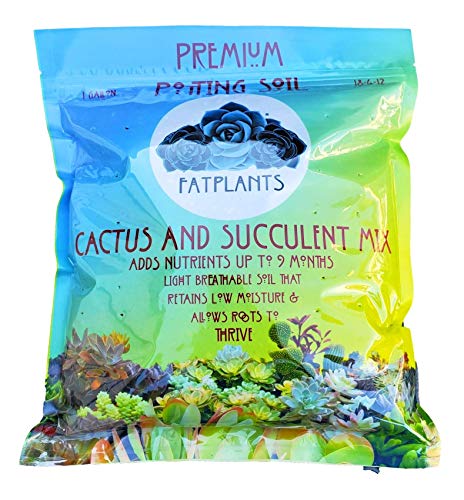
This cactus potting mix is formulated for cacti, succulents, palms, and citrus, with eight months of time-release nutrients. It is designed to balance pH and provide a stable growing medium that retains enough moisture without becoming waterlogged, suitable for Ponytail Palms in containers.
Omitgoter Succulent & Cactus Soil Potting Mix

Omitgoter’s gritty mix emphasizes superb drainage and permeability, featuring river sand, lava rock, and vermiculite. This organic blend is well-suited for drought-tolerant plants like succulents and palms, including Ponytail Palms, when grown in containers indoors or outdoors.
Espoma Organic Cactus Potting Soil Mix
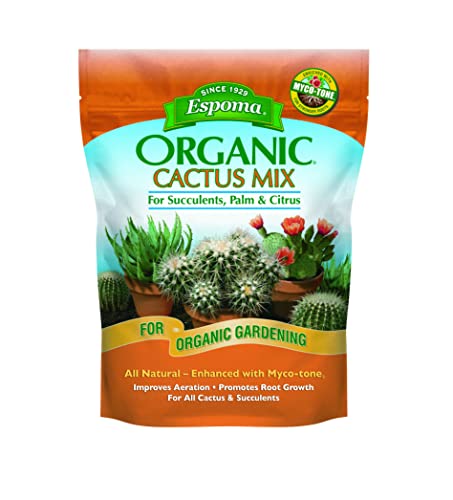
Espoma’s organic mix adds mycorrhizae to improve nutrient uptake and overall plant health. The blend emphasizes aeration and drainage, supporting healthy Ponytail Palm roots while remaining suitable for indoor container environments.
Buying Guide: Key Purchase Considerations
- Drainage vs. moisture retention: Ponytail Palms dislike soggy soil. Look for mixes with good drainage (perlite, sand, bark) and avoid heavy clays unless they are well-balanced with aeration materials.
- Organic vs. synthetic nutrients: Organic blends with mycorrhizae or organic fertilizers can foster steady growth. If using synthetic fertilizers, ensure the potting mix supports long-term health without overloading the roots.
- pH compatibility: Aim for a neutral to slightly acidic range, which benefits palm species and prevents nutrient lockout. Some mixes explicitly target pH balance for cacti and palms.
- Container size and plant maturity: Larger Ponytail Palms may benefit from a soil mix with more organic matter and slower drainage to support established roots. Smaller plants may need faster-draining mixes to prevent root rot.
- Aesthetic and odor considerations: For indoor spaces, choose blends with clean composition and minimal odor. Organic blends often appeal to homeowners seeking a natural approach.
- Re-potting interval and maintenance: Consider how often you repot. Palms generally benefit from fresh soil every 1–2 years, with gradual nutrient replenishment as needed.
- Shelf life and storage: Dry, sealed containers help preserve soil texture and prevent clumping. Store away from moisture to maintain product quality.
- Indoor vs. outdoor use: Some mixes are formulated for dual-use, while others are tailored more toward indoor container environments. Ensure the chosen mix aligns with your growing space.
Across the selections, all listed products are suitable for Ponytail Palms placed in containers, offering varying balances of drainage, aeration, and nutrients. When selecting, consider your pot size, climate, and how often you plan to water, to optimize palm health and growth.