Best Portable RV Air Conditioners for on-the-Go Cooling
Choosing a portable AC for an RV requires balancing compact size, power efficiency, noise, and cooling capacity. This guide highlights five standout options designed to keep small living spaces comfortable on the road. Each product section includes key specs, ease of use, and how it performs in typical RV settings.
| Product | Brand | BTU / Cooling | Notable Benefit |
|---|---|---|---|
| Ivation 6,500 BTU Camper AC | Ivation | 6,500 BTU | Over-the-window, quiet operation |
| Countrymod 12V DC RV Air Conditioner | Countrymod | 10,000 BTU | Inverter design, energy efficient |
| EUHOMY Portable 8,000 BTU | EUHOMY | 8,000 BTU | 3-in-1 cooling/dehumidifying/fan |
| WISHILO Compact 3400 BTU | WISHILO | 3,400 BTU (tent-ready) | Portable for small spaces and tents |
| Humhold 14,000 BTU Portable AC | HUMHOLD | 14,000 BTU | Large-area cooling with 3-in-1 modes |
Ivation 6,500 BTU Camper AC
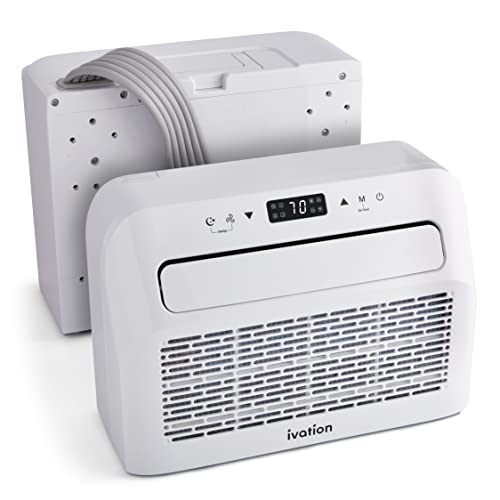
Designed for RV use, this unit delivers 6,500 BTU of cooling with a window-sill mounting approach. It expands comfort in compact interiors and is paired with a fan and dehumidifier functions. The unit emphasizes quiet operation, aided by dampers for reduced vibration and noise, which is beneficial for nighttime use in campers and motorhomes. Temperature control ranges from 60°F to 86°F, with settings to support continuous operation. The over-the-sill installation preserves the window’s functionality while maintaining a stable mount in mobile environments. Ideal for smaller RVs or as a supplementary cooling option during peak heat.
Countrymod 12V DC RV Air Conditioner

The Countrymod RV unit uses a 10,000 BTU inverter-based design to deliver cooling on demand while conserving energy. Its 12V DC operation aligns with battery-rich RV setups, offering flexible deployment for non-ducted installations. The inverter design enables variable compressor speeds, optimizing efficiency and battery life. A notable feature is ultra-low decibel operation, producing a quiet environment with a calm airflow. The system is built for mobile use, aiming to reduce noise disruption in small living areas while achieving comfortable temperatures across a range of RV interiors.
EUHOMY 8,000 BTU Portable AC

This EUHOMY model combines cooling, dehumidification, and fan modes in a compact 8,000 BTU unit. It emphasizes energy efficiency with a CEER rating around 6.1, helping RV users balance comfort with battery and generator use. Installation is straightforward, as the unit is designed to be window-friendly and portable. A washable filter and a 4-wheel design support easy repositioning within the RV. It shows suitability for medium-sized living areas and can operate in different climates with adjustable temperature settings from 60°F to 86°F.
WISHILO 3,400 BTU Portable AC

Geared toward compact spaces such as tents, RVs with small interiors, or travel trailers, this 3,400 BTU unit delivers focused cooling with a compact footprint. It features a built-in Panasonic compressor and a turbo mode to accelerate cooling quickly. It’s designed for easy transport and operation, including a remote control for convenience when relaxing in a living space or sleeping area. While not as powerful as larger RV units, it serves as an efficient supplementary cooling source for small, sunny spaces on the road.
Humhold 14,000 BTU Portable AC

For larger RVs or spaces needing aggressive cooling, the Humhold unit provides 14,000 BTU (ASHRAE 128) across a 550–700 sq. ft range, accompanied by 3-in-1 functionality: cooling, dehumidification, and fan. It includes a front LED display and remote control with a wide control range, including a timer and sleep modes. While more footprint-friendly units are often preferred for compact RVs, this model targets higher cooling demands, making it suitable for larger travel trailers or motorhomes with higher heat loads.
Buying Guide: Key Purchase Considerations for RV Portable ACs
- Space and mounting: Measure interior dimensions and consider window or wall installation options. Over-the-sill designs reduce the obstruction of window views and improve stability in a moving vehicle.
- BTU and climate coverage: In RV environments, 6,000–12,000 BTU is common for mid-sized rigs, while larger units may be necessary for bigger motorhomes or extreme heat. Balance BTU with energy efficiency to protect battery life and generator use.
- Power source compatibility: Look for inverter-based or 12V DC compatibility if relying on battery power. Some units are designed for 110V shore power, which may limit use off-grid.
- Noise levels: Quiet operation is critical in small spaces. Check decibel ratings and features like noise isolation to minimize disturbances during sleep or work.
- Functionality: Consider 3-in-1 capabilities (cooling, dehumidifying, and fan) to maximize year-round usability. Dehumidification is especially valuable in humid climates or enclosed RV spaces.
- Ventilation and exhaust: Ensure proper airflow and venting to prevent condensation and maintain air exchange. Some models require vent pipes or window seals for effective operation.
- Portability and setup: Wheel design, handles, and lightweight construction simplify relocation between different RV areas or campsites.
- Maintenance: Filter accessibility and washable filters simplify upkeep. Check warranty terms and the availability of spare parts in the U.S.
These considerations help compare models by how well they fit a specific RV layout, climate, and energy plan. When evaluating recommendations, prioritize units that align with available power sources, space constraints, and typical occupancy to ensure reliable cooling without unnecessary energy draw.