Best Pool Paint for Plaster: Top 5 Options for Lasting, Smooth Finishes
Choosing the best pool paint for plaster involves balancing durability, ease of application, and compatibility with plaster surfaces. This guide highlights five prominent options that perform well on plaster, concrete, and other common pool substrates. Each product below is designed to resist chlorine, withstand water exposure, and provide a lasting finish. Use the buying guide to compare coverage, drying times, and compatibility with your pool type before making a selection.
| Product | Brand | Finish / Type | Approx. Coverage | Notes |
|---|---|---|---|---|
| Olympic Pool Paint – Zeron – Blue Ice | Kelley Technical Coatings | Two-part epoxy, one-coat | 125 – 150 sq ft per gallon | Gallon includes base and catalyst; mix before use |
| Pool Paint Ocean Blue 211oz | REHOUPTY | Water-based acrylic resin | 270 sq ft per 6 kg package | Suitable for plaster, masonry, and concrete |
| INSL-X Waterborne Royal Blue | INSL-X | Semi-gloss acrylic pool paint | Depends on surface; quick-drying | Safe for fresh or saltwater pools |
| WOOLSEY Epoxy Pool Paint | WOOLSEY | Epoxy coating, high solids | 3-5 years service life (typical) | VOC compliant in US & Canada |
| Doheny’s Pro-Grade High Build Self-Priming Epoxy | Doheny’s | Self-priming epoxy | Suitable for multiple substrate types | Satin finish; great for prep-less applications |
Olympic Zeron Blue Ice Pool Paint

Olympic Zeron Blue Ice is a two-part epoxy pool paint designed for plaster, fiberglass, steel, and aluminum surfaces. The product includes 1 gallon base and 1 quart catalyst, requiring thorough mixing before use. The kit is intended to deliver a single finished gallon of mixed paint, offering a typically solid thickness and reliable adhesion on plaster pools. Application guidance suggests about 125-150 square feet per gallon, making it suitable for standard-sized residential pools. As with most epoxy systems, proper surface preparation and humidity control are important for best results.
Performance on plaster depends on clean, etched surfaces and a well-prepared base. While epoxy coatings can provide a durable, chemical-resistant finish, results can vary based on climate, water chemistry, and substrate condition. Pros emphasize careful mixing and following the catalyst ratio precisely. Digital color representation on screens may differ from the actual finish, so color testing on a small area is recommended before full-scale application.
For owners seeking a complete, one-coat epoxy solution on plaster or similar substrates, Zeron Blue Ice offers a high-gloss appearance with strong chemical resistance when properly applied. Expect a robust barrier against pool chemistry, though long-term performance may still require maintenance cycles depending on pool usage and environmental factors. Always verify ventilation and safety precautions during mixing and application.
REHOUPTY Ocean Blue Pool Paint

REHOUPTY Ocean Blue Pool Paint is a water-based acrylic resin coating designed for concrete, plaster, and masonry pools. Its quick-drying formula aims to deliver a visually appealing, water-resistant finish suitable for plaster surfaces. The product emphasizes high durability and strong adhesion to concrete pool decks and various pool substrates, including fiberglass and metal in some cases. The package is noted to cover approximately 270 square feet per 25㎡ in a single coat, aligning with typical residential pool sizes.
Key advantages include a user-friendly application process without specialized tools and a focus on resisting water immersion for extended periods. The coating is designed to be resistant to abrasion and impact, contributing to longer service life. However, like all water-based acrylics, performance can be influenced by substrate porosity and proper surface preparation. For plaster pools, ensure the surface is clean, dry, and free of efflorescence before applying.
Overall, REHOUPTY offers a solid option for plaster pools seeking a durable, easy-to-apply finish with good water resistance. It may appeal to DIY homeowners prioritizing low odor and simpler cleanup compared with solvent-based epoxies. For best results, follow manufacturer guidance on curing times and re-coating windows to maintain durability over seasons.
INSL-X Royal Blue Waterborne Pool Paint
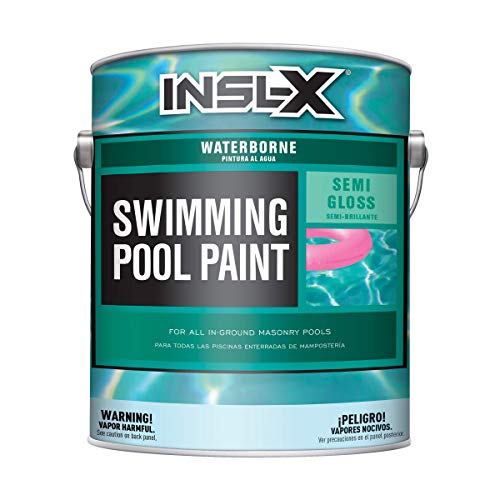
INSL-X Royal Blue is a waterborne, semi-gloss acrylic pool paint designed for fresh and saltwater pools. Its quick-drying formula aims to deliver a smooth, uniform finish on plaster, concrete, and other pool surfaces. The product emphasizes compatibility with various water conditions and provides a low-odor, user-friendly option for residential pool projects. For plaster pools, surface preparation remains critical—etching, cleaning, and thorough drying help achieve optimal adhesion and color uniformity.
On plaster, the semi-gloss acrylic finish can yield a crisp, vibrant blue appearance with manageable maintenance. Expect standard durability against pool chemicals, but monitor for wear in high-traffic or chlorinated environments. Recoating intervals depend on water chemistry, sun exposure, and how well the surface was prepared before the initial application. INSL-X offers a practical balance of ease-of-use and reliable performance for many plaster pool owners.
Doheny’s Pro-Grade Self-Priming Epoxy

Doheny’s Pro-Grade High Build Self-Priming Epoxy is designed for use on concrete, fiberglass, plaster, gunite, and previously painted epoxy surfaces. It is marketed as self-priming and satin finish, simplifying the prep work for plaster pools. The self-priming feature can streamline application by reducing steps, while the epoxy system provides durable protection against chemicals and abrasion. For plaster surfaces, ensuring a clean, properly etched substrate can help maximize adhesion and uniform color with fewer coats.
Readers should consider the coating’s long-term performance claims alongside environmental exposure. Epoxy finishes typically offer strong chemical resistance and longevity, but proper surface preparation remains essential. If you want a project with minimal priming steps, this option may fit, provided the plaster pool is in compatible condition and the manufacturer’s instructions are followed precisely.
ArmorPoxy Pool Paint 2-Part Epoxy

ArmorPoxy offers a two-part epoxy coating designed for concrete, gunite, fiberglass, and plaster pools, with compatibility for both saltwater and freshwater systems. The product emphasizes professional-grade durability and strong adhesion across a variety of substrates, making it a suitable choice for large or high-traffic pools. ArmorPoxy aims to provide a seamless, durable barrier against water intrusion and chemical damage, which can lead to reduced maintenance costs over time. It’s positioned as a solid option for commercial properties and pool service companies seeking robust performance.
When applying a two-part epoxy, follow surface preparation guidelines closely, including cleaning, etching, and ensuring proper mixing ratios. The coating’s long-term benefits—such as reduced repainting frequency—can offset initial labor and material costs. As with other epoxy systems, expect a glossy finish and a hard, durable surface that resists stains, chemicals, and abrasion. For plaster pools, this can deliver a resilient, easy-to-clean surface that stands up to pool chemistry.
Buying Guide: Key Considerations For Pool Paint On Plaster
Surface compatibility is the first factor: plaster pools benefit from coatings that bond well to cementitious substrates, including concrete and plaster. Epoxy-based paints typically offer superior durability and chemical resistance but require thorough surface preparation, precise mixing, and proper ventilation during application. Waterborne acrylics provide easier application and lower odor, though they may require more frequent maintenance in high-traffic pools or extreme sun exposure.
Coverage and environmental exposure matter. Check the manufacturer’s coverage estimates for your pool’s actual surface area, and factor in the pool shape and steps. UV resistance is important for outdoor pools; some colors may fade over time, so consider color stabilization or sticking to hues with proven fade resistance. Saltwater pools demand coatings with strong chemical tolerance to chlorine and salt ions, so verify saltwater compatibility before purchase.
Application method and curing time affect project timelines. Some products are self-priming or come in kits including catalyst, which simplifies the process but requires careful handling and accurate mixing. Temperature and humidity influence curing; plan for a dry, moderate climate window to maximize adhesion and cure strength.
Maintenance, recoat intervals, and long-term cost should be weighed. Epoxies often offer longer intervals between re-coats (years) but may incur higher upfront costs and labor. Water-based options can be easier to apply and maintain but may require more frequent refreshes. Consider pool usage, maintenance routines, and whether you prefer DIY-friendly products or professional-grade coatings for large or commercial pools.
Finally, warranty and safety notes are essential. Read the product warranty period and terms, and follow all safety instructions, including ventilation, skin protection, and proper disposal. If in doubt about plaster compatibility or surface preparation, consult with a pool coating professional to determine the best match for your pool’s substrate and usage patterns.