Best Paint for Stucco: Top Durable Finishes for Exterior Masonry
Choosing the right paint for stucco requires considering breathability, adhesion, moisture resistance, and long-term durability. This guide highlights five top-rated options that provide solid protection for interior and exterior stucco surfaces, from traditional masonry paints to textured mineral coatings. Each pick balances ease of application with strong performance against weather and environmental conditions. Below you’ll find quick overviews, a comparison snapshot, and a buying guide to help you decide which finish best fits your project.
| Product | Brand | Type | Best For |
|---|---|---|---|
| INSL-X WaterBlock Masonry Paint | INSL-X | Acrylic Masonry Paint | Waterproof seal, interior/exterior, high alkali resistance |
| Romabio Masonry Textured | Romabio | Mineral Masonry Paint | Breathable, toxin-free, textured finish |
| RAE Masonry & Stucco Paint (White) | RAE | Latex/Masonry Paint | Exterior masonry, broad surface compatibility |
| RAE Masonry & Stucco Paint (Black) | RAE | Latex/Masonry Paint | Exterior masonry, bold color option |
| Rust-Oleum Painter’s Touch Ultra Cover | Rust-Oleum | Multi-Purpose Acrylic | Versatile interior/exterior, quick coverage |
INSL-X WaterBlock Acrylic Masonry Paint
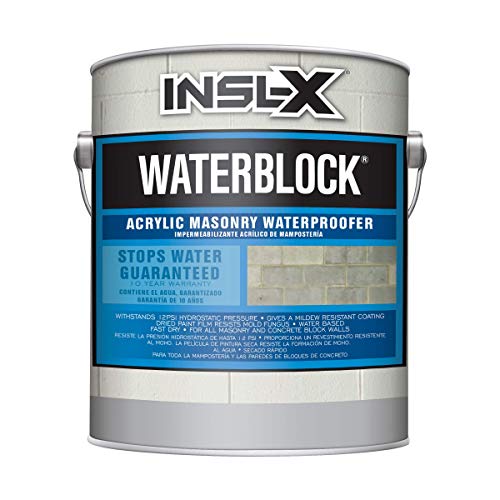
INSL-X WaterBlock is a water-based coating designed to seal vertical interior and exterior concrete walls, making it suitable for basement walls, foundations, and retaining walls. It dries quickly and provides waterproofing for interior and exterior basement surfaces, cinder blocks, stucco, brick, and masonry. The product is formulated to resist high alkali conditions, with resistance up to pH 13, which helps prevent lime bloom and efflorescence on masonry surfaces. Use on stucco to improve water resistance while maintaining breathability in damp environments.
Key features include: fast-drying performance, interior/exterior versatility, and strong alkali resistance. This option is well-suited for homeowners who need an all-in-one coating that adds a protective barrier against moisture while preserving surface integrity over time.
Romabio Masonry Textured

Romabio Masonry Textured is a mineral-based paint designed for brick, stone, stucco, and cementitious siding. It delivers a permanently flat, subtly textured finish that is environmentally friendly and toxin-free. This breathable coating calcifies to the masonry surface, allowing moisture to escape while maintaining surface aesthetics. It’s suitable for both interior and exterior applications and can provide two coats without a separate primer on unpainted, absorbent masonry. The product is backed by a 20-year warranty when applied according to directions.
Key selling points include its natural mineral composition, environmental friendliness, and durable, breathable finish. For stucco projects where texture and long-term stability matter, Romabio offers a high-performance option that minimizes maintenance while preserving masonry aesthetics.
RAE Masonry & Stucco Paint (White)
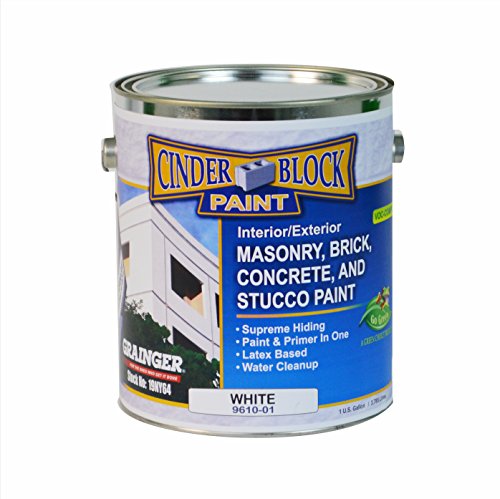
This RAE paint is designed for exterior use on masonry surfaces, including stucco, brick, cement, concrete block, and more. It provides solid coverage with a typical rating of 200 to 300 square feet per gallon and a 4-hour recoat window. The finish is semi-gloss and is suitable for both interior and exterior surfaces, making it a versatile option for homeowners who want a single product for multiple projects. It adheres to green environmental standards and meets local VOC guidelines. It dries to the surface in approximately 30 minutes and is available in white for bright, clean-looking stucco exteriors.
RAE paints emphasize broad compatibility with masonry substrates, speed of project completion, and relatively straightforward application methods via brush, roller, or spray. This makes it a practical pick for typical stucco repairs and full-surface refinishing.
RAE Masonry & Stucco Paint (Black)

The black variant of RAE Masonry & Stucco Paint provides the same performance attributes as the white option with color flexibility for accent details or architectural features. It remains suitable for exterior stucco applications and other masonry surfaces, offering comparable coverage, dry times, and VOC considerations. The product continues to support broad surface compatibility and a straightforward application approach, making it a viable choice for those seeking a bold color on exterior stucco elements.
Buying Guide: Key Considerations For Stucco Paints
- Breathability vs. moisture seal: Mineral-based paints like Romabio allow moisture to escape while sealing the surface, reducing the risk of peeling caused by trapped moisture. Acrylic or latex masonry paints like INSL-X offer moisture resistance with breathability depending on the substrate.
- Surface compatibility: Ensure the product is rated for masonry, stucco, brick, and cement-based surfaces. Some paints are more versatile and work well on multiple substrates, while others excel on specific materials.
- Durability and exterior performance: Look for weather resistance, UV stability, and alkali resistance, especially for exterior stucco exposed to sun, rain, and freeze-thaw cycles.
- Drying time and recoat windows: Quick-drying finishes save time, but ensure you have sufficient curing time between coats for best adhesion and durability.
- Color options and aesthetic goals: White and black options are common, but consider lighter or textured finishes for heat reflection, curb appeal, or design accents on stucco surfaces.
- Environmental and health considerations: Mineral-based coatings are often low-odor and toxin-free, while some latex/masonry paints may have different VOC levels. Verify certifications if indoor use is planned.
- Warranty and coverage: Check manufacturer warranties and coverage rates (typically square feet per gallon) to estimate the number of gallons needed for your project.
- Application method: Most masonry paints support brush, roller, or spray applications. For rough stucco textures, textured finishes or thicker paints may yield better coverage and uniformity.
- Assess the substrate: Inspect for cracks, moisture, or efflorescence; repair and treat as needed prior to painting to maximize adhesion and longevity.
- Prepare the surface: Clean surfaces to remove dirt, oils, and chalking; power washing is common, followed by drying time and priming if required by the product.
- Plan for multiple coats when needed: Some products require two coats for full color and durability, especially lighter colors on darker bases or unprimed masonry.
- Consider long-term maintenance: Textured mineral coatings offer durable performance and lower maintenance over time, though touch-ups may vary by product type.