Best Oils for Wood: Top Finishes for Protection, Beauty, and Longevity
Choosing the right oil for wood depends on the project, the wood type, and the level of protection you need. The oils below represent a mix of natural oils, food-safe options, and durable finishes suitable for indoor and outdoor wood projects. This guide highlights five top picks, their core benefits, and how to apply them for best results.
| Product | Brand | Key Benefit |
|---|---|---|
| Tried & True Original Wood Finish | Tried & True | Linseed oil & beeswax blend; durable, repairable finish |
| HOPE’S 100% Pure Tung Oil | HOPE’S | Penetrating, flexible finish; moisture and wear resistant |
| Kate Naturals Mineral Oil | Kate Naturals | Food-grade conditioner for cutting boards and utensils |
| LinSheen Boiled Linseed Oil | LinSheen | Fast-drying wood treatment; enhances grain and color |
| Thirteen Chefs Mineral Oil | Thirteen Chefs | Food-grade conditioner for cutting boards and butcher blocks |
Tried & True Original Wood Finish

Tried & True Original Wood Finish blends linseed oil with beeswax to deliver a warm, soft appearance while adding protection against water and daily wear. The polymerized oil cures efficiently without toxic drying aids and contains no solvents, enabling indoor use without PPE. This finish provides long-lasting durability and can be touched up or repaired without stripping the wood, making it a practical choice for heirloom-quality pieces.
HOPE’S 100% Pure Tung Oil

HOPE’S Tung Oil is a natural oil finish that penetrates deeply into wood fibers rather than forming a surface film. It cures to a flexible, non-oily solid and becomes part of the wood itself. This approach provides a water- and wear-resistant finish suitable for interior and exterior projects, delivering lasting beauty and protection that can outlast mineral-oil-based products.
Kate Naturals Mineral Oil

Kate Naturals Mineral Oil is a food-grade mineral oil designed for cutting boards, butcher blocks, and wooden utensils. It protects wooden surfaces from cracking and drying while remaining colorless, odorless, and tasteless. This oil is ideal for ongoing maintenance of kitchenware, helping sustain moisture balance and wood integrity without introducing color or flavor to foods.
LinSheen Boiled Linseed Oil
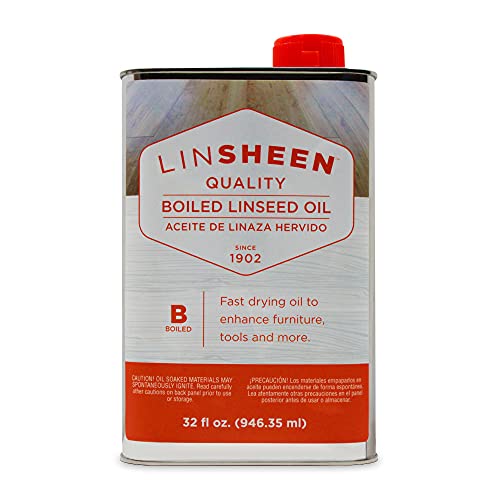
LinSheen Boiled Linseed Oil is a fast-drying option that penetrates the wood grain to restore and rejuvenate both indoor and outdoor wood. The boiled formulation includes drying agents to speed up curing, offering a deeper color enhancement and lasting protection. It’s best suited for projects where quicker finish development is desired, while still allowing you to maintain a natural wood appearance.
Thirteen Chefs Mineral Oil

Thirteen Chefs Mineral Oil is a food-grade conditioner designed for cutting boards, countertops, and butcher blocks. The bottle features a push-applicator cap for easy application and a squeeze design that simplifies maintenance. Use this oil to prevent cracking and drying while refreshing kitchen surfaces and extending the life of wooden tools and utensils.
Howard Products Mineral Oil (12 oz)
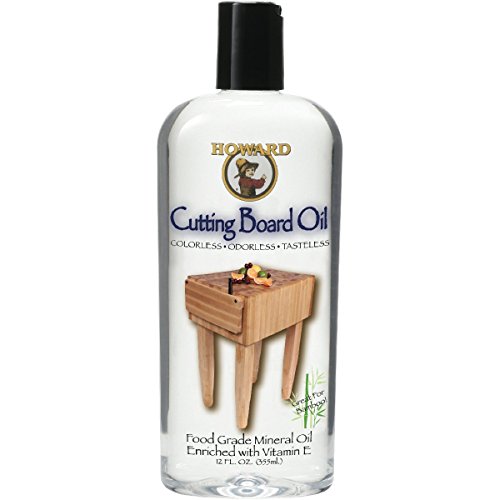
Howard’s Mineral Oil for wood cutting boards provides a colorless, tasteless, and odorless finish that penetrates wood pores to reveal natural color and prevent drying and cracking. It’s a versatile option for rejuvenating dry wood surfaces and is suitable for cutting boards, butcher blocks, and wooden utensils, maintaining sanitary wood products.
Howard Butcher Block Conditioner

Howard’s Butcher Block Conditioner combines mineral oil with natural waxes to protect and seal wooden surfaces. The formula helps prevent drying and cracking while locking in moisture and providing a sanitary finish for cutting boards and wooden utensils. It’s a practical choice for ongoing upkeep of kitchen wood products.
Buying Guide: Key Considerations For Choosing Wood Oils
When selecting an oil for wood, consider the wood type, use case, and desired finish. For food-contact surfaces like cutting boards and utensils, choose food-grade mineral oils or tung oil with food-safe certification. For furniture and decorative items, blends like linseed oil with beeswax offer a warm appearance and repairability, while pure tung oil delivers deep penetration and durable protection. Boiled linseed oil dries faster but may contain drying solvents, so ventilation and application guidance matter. Tung oil and natural finishes are typically more breathable, reducing the risk of a sticky residue on indoor pieces. For outdoor projects, look for oils that resist moisture and UV exposure, or consider sealing with a dedicated wood sealer after oil curing. Always test finishes on a small, inconspicuous area before full application to ensure desired color and penetration. Consider maintenance: some finishes cure to a durable film and can be spot-touched without full stripping, while others may require periodic reapplication to maintain luster and protection. Environmental and health factors, such as VOC content and odor, can influence choice for indoor spaces or households with sensitivities.
In addition to oil type, method of application matters. Wipe-on finishes typically require thin, even coats with thorough wiping to remove excess; many products cure best with multiple light coats rather than a single heavy application. Curing times vary; plan ahead to allow full drying before use, especially for items that will contact food or water. Finally, consider compatibility with existing finishes. If refurbishing a wood surface that already has a finish, you may need to clean and lightly abrade the surface to promote adhesion and even absorption of the new oil.