Best Oil for Wood Tables: Top Finishes for Protection and Shine
Choosing the right oil for a wood table helps protect the surface while highlighting the grain. The following selections come from reputable brands and cover a range of finishes—from penetrating oils that bring out natural warmth to thicker blends that seal against moisture. Each option has unique benefits, so you can pick based on desired look, indoor or outdoor use, and maintenance needs.
| Product | Brand | Notes |
|---|---|---|
| Furniture Clinic Boiled Linseed Oil | Furniture Clinic | Fast-drying, glossy finish; restores natural grain |
| HOPE’S 100% Pure Tung Oil | HOPE’S | Deep penetration; durable, flexible finish |
| Furniture Clinic Teak Oil | Furniture Clinic | Protects and nourishes teak and hardwoods |
| Tried & True Original Wood Finish | Tried & True | Linseed oil and beeswax blend; durable, food safe |
| Thirteen Chefs Mineral Oil | Thirteen Chefs | Food-grade; ideal for cutting surfaces and counters |
Furniture Clinic Boiled Linseed Oil — Glossy, Quick-Dry Finish

This boiled linseed oil is designed to penetrate wood pores, reviving natural grain with a subtle glossy finish. It dries quicker due to hot-air treatment, forming a durable surface suitable for tables, cabinets, and hardware. It carries a Good Housekeeping Seal, reflecting independent verification of performance and packaging.
Method Daily Wood Cleaner — Almond, Plant-Based

While not an oil, this wood cleaner supports oil-based finishes by removing dust and grime safely. It uses plant-based, biodegradable ingredients and provides a clean base before applying oils to maintain a table’s surface over time.
HOPE’S 100% Pure Tung Oil

Pure tung oil offers deep penetration with a flexible, non-film-forming finish. It resists moisture and daily wear, making it a reliable choice for wood tables that see regular use. It’s food-safe once cured and is known for durability compared to mineral-based finishes.
Furniture Clinic Teak Oil
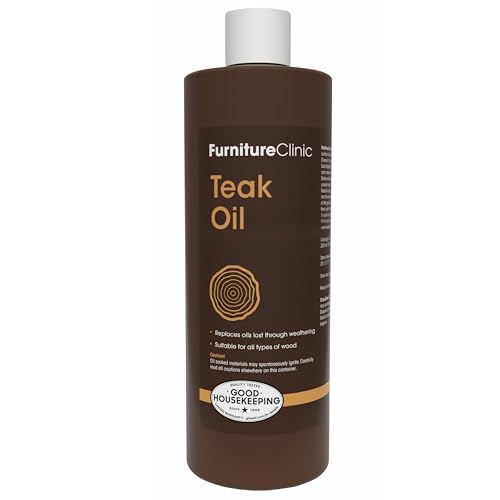
Teak Oil nourishes and seals wood to prevent drying, warping, and damage from UV exposure. It’s suitable for indoor and outdoor furniture and helps maintain a natural golden-brown finish on teak and other hardwoods.
Tried & True Original Wood Finish

This linseed oil and beeswax blend provides a warm, durable finish that resists water and daily use. It cures efficiently without toxic drying aids and allows easier touch-ups without stripping, ideal for tables with long-term wear in mind.
Thirteen Chefs Mineral Oil for Wood

Mineral oil is a food-grade option ideal for cutting boards and butcher blocks. It prevents cracking and helps maintain a smooth surface. The product features a convenient push-applicator for easy application on tables with exposed prep areas.
Buying Guide: Key Purchase Considerations
- Finish Type: Oil finishes range from penetrating oils (tung and linseed) to blends with wax. Choose based on desired look—natural warmth, gloss, or matte protection.
- Indoor vs Outdoor Use: Some oils fare better against UV exposure and moisture for outdoor furniture; others are optimized for indoor dining tables.
- Food-Safe When Cured: If surfaces double as dining spaces or food prep zones, consider food-grade or food-safe options and allow full cure times before use.
- Durability and Maintenance: Oils like tung oil and teak oil offer longer wear but may require reapplication; blends with wax can add a protective layer but may need more frequent reconditioning.
- Application and Drying Time: Boiled linseed and polymerized finishes dry faster and cure to a harder surface, while pure oils penetrate deeply and require longer cure times.
- Ease of Reconditioning: Some finishes allow spot repairs or easy touch-ups without stripping, which is helpful for furniture that sees daily use.
- Brand Reputation and Certification: Recognize products with independent testing (e.g., Good Housekeeping Seal) and choose reputable brands to ensure consistency and safety.
For best results, prepare the wood surface by cleaning and lightly sanding, then apply thin, even coats following the manufacturer’s instructions. Allow ample cure time between coats and wipe away excess finish to prevent tackiness. Regular maintenance intervals depend on usage and exposure, with outdoor pieces typically requiring more frequent reconditioning than indoor furniture.