Best Non Electric Heaters for Ambient Warmth and Simple Use
From heat-powered stove fans that spread warmth without electricity to fuel-burning heaters that keep spaces warm during outages, non-electric heaters offer reliable, low-maintenance options. This guide covers five Amazon-listed products that emphasize safety, efficiency, and practical warmth in homes, workshops, and cabins. Each entry highlights core features and how they fit typical spaces where you don’t want or can’t rely on electric heating.
| Product | Brand | Type | Key Benefit |
|---|---|---|---|
| VODA Wood Stove Fan | VODA | Heat Powered Stove Fan | Distributes warm air without power cords |
| Sengoku HeatMate Kerosene Heater | HeatMate | Kerosene Heaters | High BTU output for larger spaces |
| Miaton Wood Stove Fan | Miaton | Thermoelectric Stove Fan | Quiet operation, improves heat circulation |
| JossaColar Wood Stove Fan | JossaColar | Thermoelectric Stove Fan | Low-energy warmth distribution |
| GiveBest 1500W 2-in-1 | GiveBest | Electric; not recommended here | Alternative if needed; dual mode |
The following sections present each product with a concise overview, safety features, and practical use scenarios. The buying guide at the end compares non-electric options with fuel-based and small electric heaters to help readers choose what best fits their space and needs.
VODA Wood Stove Fan Non Electric
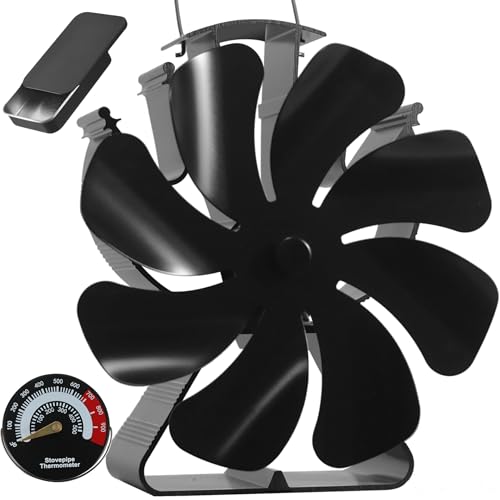
The VODA Wood Stove Fan is a non-electric option designed to move warm air produced by a wood stove or pellet stove. Its 8-blade, heat-powered design ensures air is circulated horizontally, helping to spread heat more evenly across a room. The unit includes a thermometer and aroma pod accessories for added comfort. It’s a practical choice for spaces where electricity is limited or where you want to capitalize on free heat from a wood stove. Safety considerations include a high-temperature rating and a sturdy base to minimize tipping risk.
Sengoku HeatMate Kerosene Heater
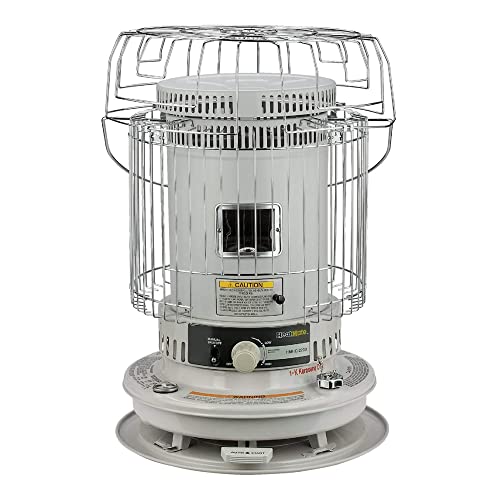
The Sengoku HeatMate HMC-23K provides 23,500 BTU of heat output, capable of warming up to 1,000 square feet. It is a robust option for areas without reliable electricity that still require prolonged warmth, such as workshops or garages. Fuel capacity supports up to approximately 12 hours of operation per fill, making it suitable for overnight use in areas with power outages. Automatic shut-off and a tip-over switch add essential safety measures for indoor use, though ventilation remains important in enclosed spaces.
Miaton Wood Stove Fan Non Electric
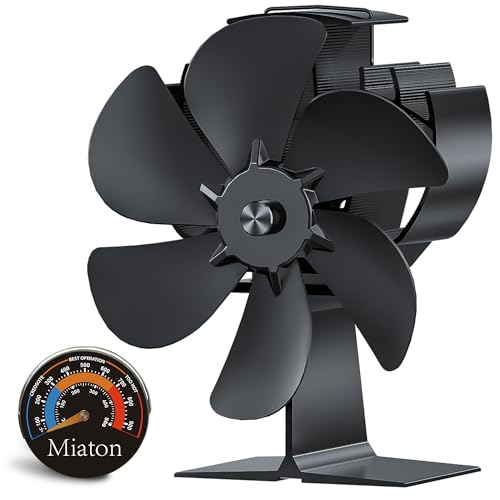
The Miaton heat-powered wood stove fan converts heat into electricity to run its blades, pushing warm air without external power sources. Built with anodized aluminum, the fan is designed for durability at high stove temperatures and is compatible with various wood-burning setups. Its low operational noise and automatic safety design help maintain a comfortable room environment while maximizing stove efficiency. This option is well-suited for cabins, workshops, and spaces where conventional heating is limited.
JossaColar Wood Stove Fan Non Electric

The JossaColar thermoelectric stove fan is designed to operate without batteries or cords, powered entirely by the heat of the stove. It includes a magnetic thermometer and a 2-year warranty, with a focus on durability and low energy consumption. The upgraded aluminum blade minimizes resistance while distributing warmth more evenly around a room. It is an appealing option for users who want a reliable, silent heat distribution method alongside a solid warranty.
GiveBest 1500W 2-in-1 Heater Fan

GiveBest offers a 2-in-1 heater and fan with a thermostat-driven heat cycle. It includes high and low heat settings plus a fan-only mode, with automatic shutoff and tip-over protection for safety. While primarily electric, its compact size and thermostat-driven operation make it a flexible option for localized heating in small rooms, such as an office or a desktop setup. It represents a transitional choice when non-electric options are insufficient for certain spaces.
Buying Guide: Key Purchase Considerations
When evaluating non-electric heaters, consider heat source, space size, safety features, and maintenance needs. Fuel-based options like kerosene or propane provide heat without electricity but require ventilation, fuel management, and regular safety checks. Thermoelectric stove fans rely on stove heat to operate, offering silent operation and straightforward maintenance but depend on a reliable heat source. For any wood stove or fireplace, ensure the fan blade movement distributes air evenly across the room, not just near the stove.
Safety is a primary concern. Non-electric units should include tip-over protection, overheating safeguards, and sturdy bases to reduce the risk of accidental fires or burns. For fuel-based units, install adequate ventilation and follow manufacturer fuel-use guidelines. For stove fans, use within the recommended temperature range and avoid placing flammable objects too close to the heat source.
Space and usage patterns also matter. Large rooms may benefit from higher BTU fuels or multiple heat sources, while smaller spaces can be efficiently warmed with a compact stove fan or a 1,000–1,500 BTU kerosene heater. Durability and warranty terms help assess long-term value, especially for devices used in harsh environments like garages or basements.
Cost considerations include initial purchase price, ongoing fuel or fuel-equivalent costs, and potential energy savings from reducing central heating. Quiet operation and minimal maintenance are important for bedrooms or offices, while rugged designs suit workshops. Finally, confirm the availability of replacement parts or accessories, such as temperature controls or thermometer accessories, to extend the life of the heater.