Best Flooring for Humid Climate: Durable, Moisture-Resistant Options for American Homes
Humid climates demand flooring that resists moisture, resists warping, and stays comfortable underfoot. This article highlights top flooring options and related products that perform well in damp environments. From moisture barriers and water-resistant planks to interlocking tiles that promote drainage, these picks help preserve floors and indoor air quality while supporting easy maintenance in humid regions.
Below is a quick reference table of the five highlighted products, focusing on moisture management, installation ease, and durability in humid conditions. Use this guide to compare options before choosing flooring or accessories for spaces such as kitchens, bathrooms, basements, and basements that experience higher humidity levels.
| Product | Brand | Key Moisture Benefit | Typical Use |
|---|---|---|---|
| Roberts 70-198 Silicone Moisture Barrier Underlayment | ROBERTS | Reduces vapor flow; compatible with radiant heat | Solid & engineered wood floors, laminate, LVP |
| Art3d Interlocking Luxury Vinyl Flooring Tile | Art3d | Interlocking, no-glue; durable, reusable; non-toxic | Kitchen, bathroom, moisture-prone areas |
| SafeRacks Ribbed Interlocking Garage Floor Tiles | SafeRacks | Open channels for drainage and ventilation | Garages, basements, patios, decks |
| Art3d 24″ x 12″ SPC Click-Lock Floating Floor Tiles | Art3d | Waterproof core; resists warping in humidity | Indoor living spaces with moisture concerns |
| HUMIGA Stone Bath Mat | HUMIGA | Quick-drying, highly absorbent diatomaceous earth | Baths, bathrooms, entryways |
Roberts Silicone Moisture Barrier Underlayment

Roberts 70-198 silicone moisture barrier underlayment provides a vapor barrier between subfloors and flooring materials. It is suitable for staple and nail-down installations of solid and engineered wood floors, laminate, and LVP. The product reduces vapor flow, helping to minimize moisture transfer into upper layers, while remaining compatible with radiant heat systems. In humid environments, this barrier helps preserve the integrity of wood and high-moisture-resistant surfaces by limiting moisture migration from the subfloor.
Key features include vapor reduction without trapping moisture, lab-tested compatibility with radiant heat, and a flat profile that accommodates various flooring types. This underlayment is especially beneficial under floating or glued-down installations where humidity fluctuations can cause warping or adhesive failure. Consider pairing with moisture-absorbing or ventilated subfloor options for enhanced performance in damp spaces.
Art3d Interlocking Luxury Vinyl Tiles

Art3d interlocking vinyl tiles offer a user-friendly, no-glue installation option with interlocking buckles that simplify assembly and disassembly. The wear-resistant UV layer enhances durability in high-humidity rooms like kitchens and bathrooms, while the interlocking design promotes a tight seal against moisture intrusion. These tiles are reusable, which supports practical moisture management strategies for spaces that require periodic reconfiguration or renovations.
Features emphasize safety and sustainability: formaldehyde-free composition and odorless materials for a healthier indoor environment. The interlocking system reduces adhesive exposure and allows quick replacements if tiles become damaged in damp conditions. For humid climates, these tiles deliver water resistance and ease of maintenance without sacrificing aesthetics.
SafeRacks Ribbed Interlocking Floor Tiles

SafeRacks ribbed interlocking garage floor tiles are designed for moisture-prone areas thanks to open-air channels that facilitate drainage and ventilation. Constructed from durable virgin polypropylene, these tiles withstand heavy loads and frequent foot traffic while preventing moisture buildup. The 72% higher coverage per tile ensures fewer gaps where water or humidity can seep in, making them well-suited for basements, garages, and outdoor spaces exposed to humidity.
Key advantages include excellent drainage, strong load-bearing capacity, and a modular, easy-install system. In humid environments, the vented design helps reduce trap moisture and keeps floors drier than traditional matting. These tiles also offer easy cleaning and quick layout changes when needed for seasonal humidity adjustments.
Art3d 24×12 SPC Click-Lock Floating Floor Tiles

These SPC (stone-plastic composite) floating floor tiles are designed for moisture-prone interiors. The click-lock system requires no glues, nails, or adhesives, making installation quick and reversible. The SPC core is highly resistant to dents and humidity-induced warping, while the vinyl wear layer protects against scratches and moisture-related damage. The floating design accommodates expansion and contraction due to humidity changes, reducing the risk of buckling in damp climates.
Highlights include waterproof performance, impact resistance, and easy maintenance. The product’s stability under fluctuating moisture levels makes it a strong solution for kitchens, laundry rooms, basements, and living spaces in humid regions. The ability to replace individual tiles also minimizes downtime in moisture-affected areas.
HUMIGA Diatomaceous Earth Bath Mat
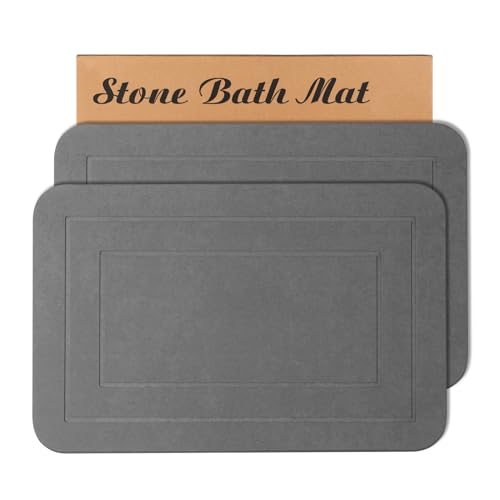
HUMIGA offers a diatomaceous earth bath mat that dries quickly and absorbs moisture efficiently. The natural stone composition helps reduce residual moisture at entryways or bathroom floors, contributing to drier surface conditions in humid homes. The mat’s quick-drying properties can complement bathroom flooring by minimizing standing water and preventing mold-friendly environments. Cleanliness is straightforward with simple rinsing and occasional light sanding to maintain a smooth surface.
Buying Guide: Key Purchase Considerations For Humid Climates
When selecting flooring for humid climates, consider moisture management, installation options, and long-term maintenance. The following points help compare choices across wood, vinyl, and rug-like solutions:
- Moisture barrier and vapor control: Look for products that reduce vapor transmission and pair well with radiant heat or subfloor types. Underlayments with silicone barriers provide an extra layer of protection against moisture migration.
- Water resistance vs. waterproof: Distinguish between water resistance (tends to slow moisture) and waterproof (resists penetration). For basements or bathrooms, prioritize waterproof options or heavily moisture-resistant cores like SPC vinyl.
- Interlocking vs. glued solutions: Interlocking tiles offer easy replacement and reduced adhesive exposure, beneficial in damp rooms. Glued-down or nailed-down installations may require more careful moisture management of adhesives and subfloors.
- Surface durability: Humid climates may accompany humidity-driven wear. Choose wear layers, UV protection, and scratch resistance to maintain appearances in high-traffic areas.
- Drainage and ventilation: Floor systems with channels or drainage capabilities help prevent moisture buildup. Open-channel tiles or mats help maintain airflow and reduce dampness under flooring.
- Maintenance and cleaning: Materials that are easy to clean and quick-drying minimize mold risk. Diatomaceous earth mats can complement floors by reducing moisture at entry points.
- Environmental and indoor air quality: Opt for formaldehyde-free or low-emission materials where possible to maintain healthy indoor air in humid spaces.
- Installation flexibility: Consider whether you need reversible, temporary, or long-term solutions. Floating SPC or interlocking tiles are ideal for renters or frequent renovations.
In humid climates, combining a moisture barrier underlayment with moisture-resistant flooring—such as vinyl tiles or SPC planks—often yields the best long-term performance. For spaces prone to water exposure, select products with robust drainage features or removable components for easier drying and cleaning. A practical approach combines flooring that resists moisture with accessories like diatomaceous earth mats and hygrometers to monitor humidity levels and maintain comfort.