Best Electric Stoves for Cooking: Top Portable Options
Choosing the right electric stove for cooking can expand your kitchen’s flexibility, whether you’re in a dorm, apartment, RV, or small home. This guide highlights five reliable, user-friendly electric stoves that balance power, portability, and safety. Each option covers different needs—from compact single burners for quick tasks to dual burners for more versatile meal prep. Read on to compare features, setup, and practical uses for modern countertop cooking.
| Product | Brand | Type | Best For | Key Benefit |
|---|---|---|---|---|
| OVENTE BGS101B | OVENTE | 1000W Single Burner | Compact cooking & dorm rooms | Even heating with cast-iron plate |
| Karinear 2 Burners | Karinear | Dual 12” Ceramic Cooktop | Multi-dish meals | Nine heating levels, plug-in convenience |
| Techwood 1500W | Techwood | Single Burner with 7.3” cooktop | Extra burner for small spaces | All-purpose cookware compatibility |
| OVENTE BGI101S | OVENTE | 1000W Infrared Ceramic | Glass-ceramic smooth top | Infrared heating for quick results |
| CUKOR 2 Burner | CUKOR | 1800W Double Burner | Dorms, offices, camps | Double burner with durable build |
Note: All products listed are compact, countertop models designed for temporary or supplemental cooking. Each product’s features focus on safety, ease of use, and compatibility with a range of cookware to fit diverse kitchen setups.
OVENTE Countertop Single Burner BGS101B

Powered by 1000 watts and featuring a durable 7.25-inch cast-iron cooking plate, this burner heats quickly and distributes heat evenly for frying, boiling, or warming foods. The adjustable temperature control offers low, medium, and high settings, with an indicator light to signal when heat is active. Built-in safety includes automatic shut-off to prevent overheating. The stainless steel housing resists warping and rust, and non-slip feet keep the unit stable during use. This makes it a practical choice for compact kitchens, student housing, or as a primary/back-up burner in small apartments.
Karinear 110v Electric Cooktop 2 Burners

This plug-in two-burner unit is designed for 110-120V operation, making it a plug-and-play solution that requires no complex installation. It uses knob control for simple operation and offers nine heat levels to accommodate a range of cooking tasks, from gentle simmering to high-heat searing. The dual-burner setup supports multitasking, ideal for small kitchens, dorm rooms, or temporary setups. The product can be used either on the countertop or embedded with compatible cutouts, and it includes safety features like over-temperature protection to reduce risk during use.
Techwood 1500W Countertop Single Burner
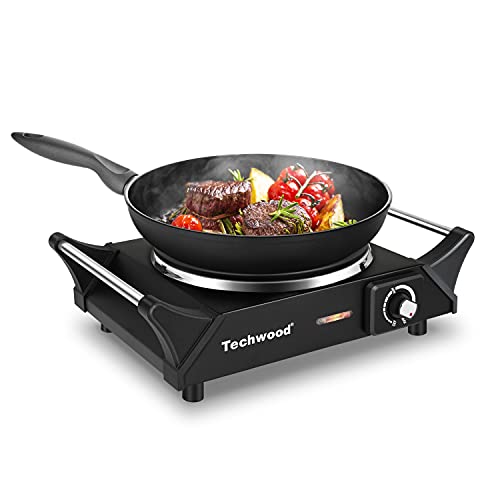
Techwood’s compact, portable single burner offers 1500 watts of heating power, with a 7.3-inch cooktop that is compatible with many cookware types. Its space-saving design suits dorm rooms, offices, or RVs, while the durable construction supports frequent use. The cooker emphasizes clean-up ease, with a design that allows quick wiping after cooking. A temperature control knob lets users select precise temperatures, and an indicator light provides a clear usage signal, including auto shut-off in overheating scenarios for safety.
OVENTE Infrared Countertop Single Burner BGI101S

This infrared cooktop uses smooth-top ceramic glass for a quick, even heat transfer with 1000 watts of power. The infrared technology provides rapid preheating and efficient cooking, compatible with a wide range of cookware. A temperature dial helps in selecting the right heat level, with an indicator light signaling warming or heating. The design emphasizes a clean, easy-to-clean surface and a compact footprint that suits small kitchens, dorms, or temporary cooking setups while delivering reliable performance for everyday meals.
CUKOR Electric Hot Plate Dual Burner
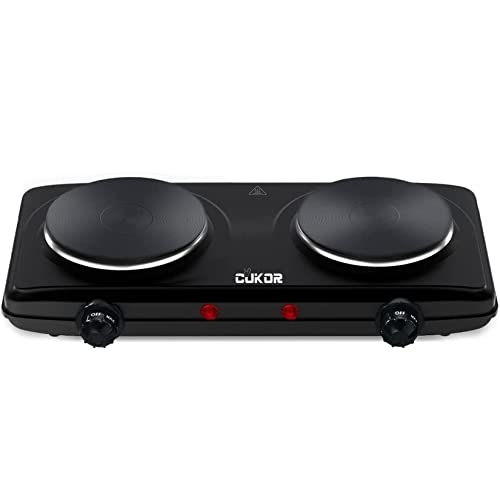
CUKOR’s double burner setup offers 1800 watts total power, with two independent heating zones. This portable option is suitable for dorms, offices, campsites, or home use where space is limited but more cooking capacity is needed. It operates at 120 V with a robust metal and stainless steel build designed to handle heavier cookware and longer cooking sessions. The unit supports a variety of flat-bottom cookware and avoids radiation or open flames, providing a safer alternative to traditional stoves for everyday tasks.
Buying Guide: Key Purchase Considerations
- Power and heating style: Choose between infrared, ceramic glass, or regular electric coil technology. Infrared and smooth-top surfaces typically offer easier cleaning and faster heating, while coil-based models may provide broader cookware compatibility.
- Number of burners: Decide if you need a single burner for compact spaces or a dual burner for multitasking meals. More burners increase cooking flexibility but require more counter space.
- Portability and capacity: Consider weight, size, and whether the unit is easily stored. A lightweight, compact model is ideal for dorms or travel, while a heavier unit may handle larger pots.
- Cookware compatibility: Some stoves work with all cookware; others perform best with flat-bottomed or specific materials. If you often cook with cast iron or nonstick cookware, ensure compatibility.
- Temperature control and safety: Look for precise knobs or digital controls, plus safety features like auto shut-off, overheat protection, and non-slip feet to prevent accidents.
- Cleaning and maintenance: Smooth, glass-ceramic surfaces tend to wipe clean easily, whereas stainless steel housings may require occasional polishing. Consider whether you want easy-access parts for cleaning.
- Electrical requirements: Check voltage (110–120V in the U.S.), plug-in design, and any installation needs. Most portable models are plug-and-play, suitable for apartments or temporary setups.
- Durability and warranty: A robust build and a solid warranty provide long-term value, especially if the unit is used frequently or transported often.
These considerations help balance performance, safety, and practicality for everyday cooking in smaller spaces. When selecting, align features with your typical meals, cookware, and available space to maximize utility and minimize clutter.