Best Amendments for Clay Soil to Improve Drainage and Growth
Clay soil can be dense and slow to drain, making it tough for many plants to establish strong root systems. The right amendment can loosen texture, improve aeration, and boost nutrient availability without relying on synthetic chemicals. This guide highlights five top clay-friendly soil amendments, their key benefits, and how they work in practice. Each option is chosen for effectiveness, environmental impact, and ease of use for American homeowners and gardeners.
Summary of Selected Products
| Product | Brand | Key Benefit | Typical Use |
|---|---|---|---|
| Espoma Organic Garden Gypsum | Espoma | Loosen clay and improve root growth | Soil conditioner, surface sprinkle |
| The Andersons Humic DG | The Andersons | Boosts soil carbon and microbial food web | DG delivery, soil mixes |
| The Andersons HumiChar | The Andersons | Humic acid plus biochar for soil health | Dispersible granules |
| Jonathan Green Love Your Soil | Jonathan Green | Loosens hard soils, supports rooting | Soil amendment for lawns and gardens |
| Sol Soils Calcined Clay | Sol Soils | Superior drainage and aeration | Indoor plants, succulents, bonsai |
Espoma Organic Garden Gypsum Soil Conditioner

Espoma’s Garden Gypsum is a natural, pelletized mineral designed to loosen heavy clay soils and improve root growth. It contains 100% natural mined gypsum with no fillers, delivering a straightforward way to modify soil texture. Application is flexible—sprinkle on the surface or broadcast with a spreader during the growing season. It also helps counter winter salt damage on turf and pet staining, providing a practical all-season option for clay soils.
Key considerations: gypsum reacts with calcium and sulfur in the soil, supporting aggregate structure while not altering pH significantly. It is especially suitable for gardeners seeking a simple amendment to improve drainage and root health without introducing organic matter or microbial components.
The Andersons Humic DG Organic Soil Amendment
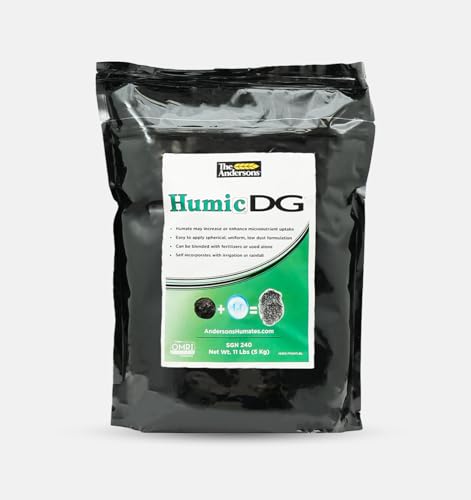
The Humic DG amendment provides a carbon-rich boost to soils with a 70% humic content. It feeds beneficial soil microbes by supplying a key carbon source and chelates nutrients to improve uptake. Suitable for larger lawn or garden projects, this product is designed for easy integration with existing fertilization programs and can improve seed germination, root mass, and overall plant health. It is environmentally friendly and OMRI listed, appealing to organic gardeners seeking sustainable soil improvement.
Key considerations: DG technology enhances nutrient delivery, and the product blends well with other soil amendments. It’s especially effective in clay soils needing better microbial activity and nutrient efficiency, though it relies on microbial processes to translate carbon into plant-available nutrients.
The Andersons HumiChar Organic Soil Amendment

HumiChar combines humic acid with biochar to bolster soil structure and microbial habitat. The spherical, uniform, low-dust DG formulation makes it easy to apply, and the product is designed to disperse rapidly for quicker results in improved soil health. It is OMRI listed and environmentally friendly, offering a durable option for sandy or clay soils where long-term carbon storage and nutrient retention are beneficial.
Key considerations: biochar adds porosity and water-holding capacity, which can complement clay soils by enhancing drainage and reducing compaction over time. Compatibility with fertilizer programs makes it versatile for lawn and garden projects that require steady soil improvement.
Jonathan Green Love Your Soil

Jonathan Green’s Love Your Soil is formulated to loosen hard soils and support robust root systems in lawns and vegetable beds. It improves air and water movement through compacted clay by stimulating microbial life and releasing nutrients stuck in the soil. This amendment is particularly helpful for homeowners dealing with dense clay that limits turf health and vegetable vigor, contributing to drought resilience and better plant performance over time.
Key considerations: designed for lawns and gardens, this product emphasizes soil biology alongside physical texture improvement. It is a practical choice for homeowners seeking a soil-food approach to decompact soil and promote healthier, deeper rooting.
Sol Soils Calcined Clay
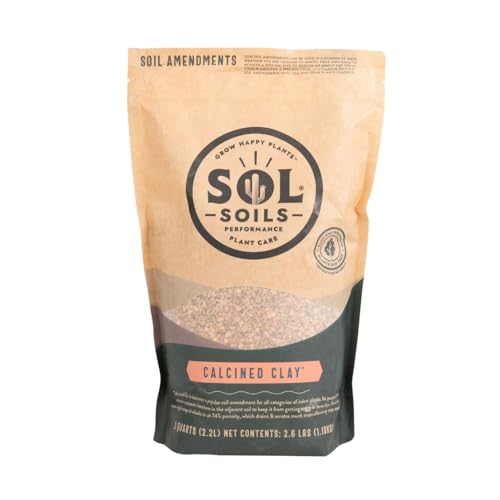
Calcined clay by Sol Soils delivers superior drainage and aeration due to its high porosity and air pockets formed during high-temperature processing. This amendment is suitable for indoor plants, succulents, bonsai, and other scenarios where well-drained soil is essential. It helps maintain optimal moisture balance, supports robust root growth, and reduces compaction—benefits that directly assist clay-heavy soils by improving root access to air and water.
Key considerations: calcined clay works best as part of a mixed substrate or potting soil for potted plants. It may not alter soil chemistry as drastically as organic amendments, but its physical structure can dramatically improve drainage and root environment in dense clay soils.
Buying Guide: Clay Soil Amendments — What To Consider
- Texture vs. biology: Gypsum and calcined clay primarily modify physical structure, while humic-based products boost microbial activity and nutrient availability. Choose based on whether you need immediate texture changes or longer-term soil biology improvements.
- Soil tests and goals: Conduct a basic soil test to determine calcium, magnesium, and organic matter levels. Use amendments that address your specific deficiencies and target plants’ needs, such as turf versus edible gardens.
- Application method and frequency: Pelletized and granulated products are easier to apply evenly. Some amendments require ongoing monthly or seasonal application for best results, especially in clay-rich beds and lawns.
- OMRI and organic options: For organic gardens, select products labeled OMRI-listed. Humic substances and biochar-based amendments can support organic programs while improving soil structure and fertility.
- Compatibility with existing programs: Consider how amendments blend with current fertilization plans. Humic DG and HumiChar are generally compatible with standard fertilizers, but always follow product guidelines to avoid nutrient lockout or over-application.
- Scope and coverage: For large lawns, look for products with coverage that suit your square footage. For potted plants or container gardens, focus on amendments designed for smaller volumes and rapid drainage improvements.
- Long-term benefits: Biochar-containing products and humic-rich amendments offer lasting improvements in soil carbon and microbial habitats, contributing to sustained soil health beyond a single growing season.
In sum, the best amendment for clay soil depends on your immediate drainage needs, your preference for organic versus inorganic inputs, and the scope of your project. For quick texture relief, gypsum is a straightforward option. For longer-term soil vitality, organic humic amendments and biochar blends provide microbial support and carbon enrichment, while calcined clay and specialty products improve physical structure and aeration for healthier root systems.