Best White Exterior Paints for Your House
Choosing the right white exterior paint can transform a home’s curb appeal while offering protection against the elements. This guide highlights top white exterior paints that perform well on wood, metal, fiber cement, and masonry. Each option balances durability, fade resistance, ease of use, and a clean, timeless white finish for American homes.
Below is a quick summary of five recommended products, focusing on exterior usability, finish, and practical performance. This table helps you compare key attributes at a glance and plan your painting project with confidence.
| Product | Brand | Finish | Key Strengths |
|---|---|---|---|
| Rust-Oleum Advanced Dry Door & Trim Paint | Rust-Oleum | Satin | Fast-dry, low odor, ideal for doors, trim, exterior metal and wood |
| 1 Gallon White Exterior Barn & Fence Latex Paint | Valspar | Finish not specified (latex) | Weather-resistant, durable exterior finish, versatile for various surfaces |
| Painter’s Touch Ultra Cover Multi-Purpose | Rust-Oleum | Semi-Gloss | Low odor, fast drying, broad indoor/outdoor use |
| Painter’s Touch Latex Paint (Gloss White) | Rust-Oleum | Gloss | Low odor, good coverage, quick dry time |
| Stops Rust Brush On Paint | Rust-Oleum | Gloss | Rust protection, durable coating for metal and other surfaces |
Rust-Oleum Advanced Dry Door & Trim Paint, Satin White

The Rust-Oleum Advanced Dry Door & Trim Paint is a ready-to-use, water-based formula designed for interior or exterior doors, trim, and applicable on metal, wood, and fiberglass surfaces. It emits less odor than oil-based paints, and its fade resistance supports a long-lasting white finish. It dries to the touch in about 45 minutes, enabling faster project completion—up to three times faster than traditional oil-based options. This makes it suitable for high-traffic entryways or accent trim where quick turnover matters.
1 Gallon White Exterior Barn & Fence Latex Paint 18-3121-70 GL

Valspar’s exterior latex paint is designed for broad exterior use, including wood, masonry, primed metal, weathered steel, and aluminum siding. It flows smoothly and dries to a durable finish with fade and weather resistance, making it well-suited for barns, fences, sheds, and other exterior structures. The formula emphasizes resilience against the elements while maintaining a clean white tone that complements a range of home palettes.
Painter’s Touch Ultra Cover Multi-Purpose Brush-On Paint, 1 Quart, Semi-Gloss White

The Ultra Cover line offers a versatile, water-based acrylic formula—low odor with chip resistance and long-lasting protection. Suitable for a range of surfaces including wood, metal, plaster, masonry, and unglazed ceramic, it provides broad outdoor application, up to 120 square feet per can, and dries to touch in about 30 minutes, which helps speed up exterior refresh projects and trim touch-ups.
Painter’s Touch Latex Paint, White
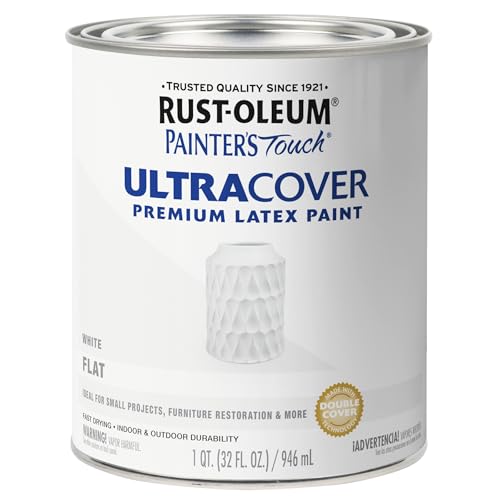
This Rust-Oleum latex option is a versatile interior/exterior choice, capable of covering wood, metal, plaster, and masonry. The low-odor water-based acrylic formula resists chips and provides durable, long-lasting protection. Coverage is around 120 square feet per coat, with a 30-minute touch-dry time for fast progress on exterior projects, making it practical for siding touch-ups or porch railings.
Stops Rust Brush On Paint, Gloss White

Stops Rust is a traditional oil-based coating known for rust prevention and durability. It is designed to protect exterior and interior surfaces such as wood, metal, concrete, and masonry. The oil-based formula forms a tough barrier, making it a strong option for metal railings, fences, and surfaces prone to moisture exposure. Drying to touch usually occurs within a few hours, and coverage is up to 90 square feet per quart, which helps reduce the number of coats for larger projects.
Buying Guide
Key considerations when selecting a white exterior paint include surface compatibility, durability under weather conditions, finish preference, and application ease. Exterior projects often demand better adhesion, UV resistance, and resistance to moisture and temperature fluctuations. The following perspectives help address common needs:
- Surface compatibility: Wood, metal, masonry, and fiber cement respond differently to coatings. For trim and doors, satin or semi-gloss finishes reduce dirt visibility and offer easier cleaning, while flat whites are common for siding to minimize glare.
- Durability and weather resistance: Exterior paints should withstand sun exposure, rain, and temperature shifts. Latex formulas are popular for flexibility, while oil-based options offer durable protection on metal and heavily weathered surfaces.
- Drying time and odor: Fast-drying, low-odor formulas improve project timelines and indoor air quality during partial or interior-exterior work. Consider breathable coatings for damp locations to prevent peeling.
- Coverage and coats: Higher coverage reduces the number of coats, saving time and labor. If repainting over a dark surface, you may need a primer or tinted base to achieve true white.
- Primer requirements: Some products claim no primer needed on certain surfaces, but priming can significantly improve adhesion and color richness on untreated wood or metal.
- Finish and maintenance: Satin and semi-gloss finishes resist dirt and are easier to clean, while flat finishes emphasize color but may show imperfections more readily.
- Environmental and safety considerations: Water-based formulas typically emit less odor and have lower VOC content than oil-based paints, making them favorable for residential use.
When choosing, match the product’s intended use with your project scope—doors and trim often benefit from faster-drying, low-odor finishes, while siding may require higher resistance to weather and UV fading. For metal surfaces, oil-based or rust-inhibiting formulas can offer long-term protection, though modern water-based options can also provide robust performance with easier cleanup and lower odor.